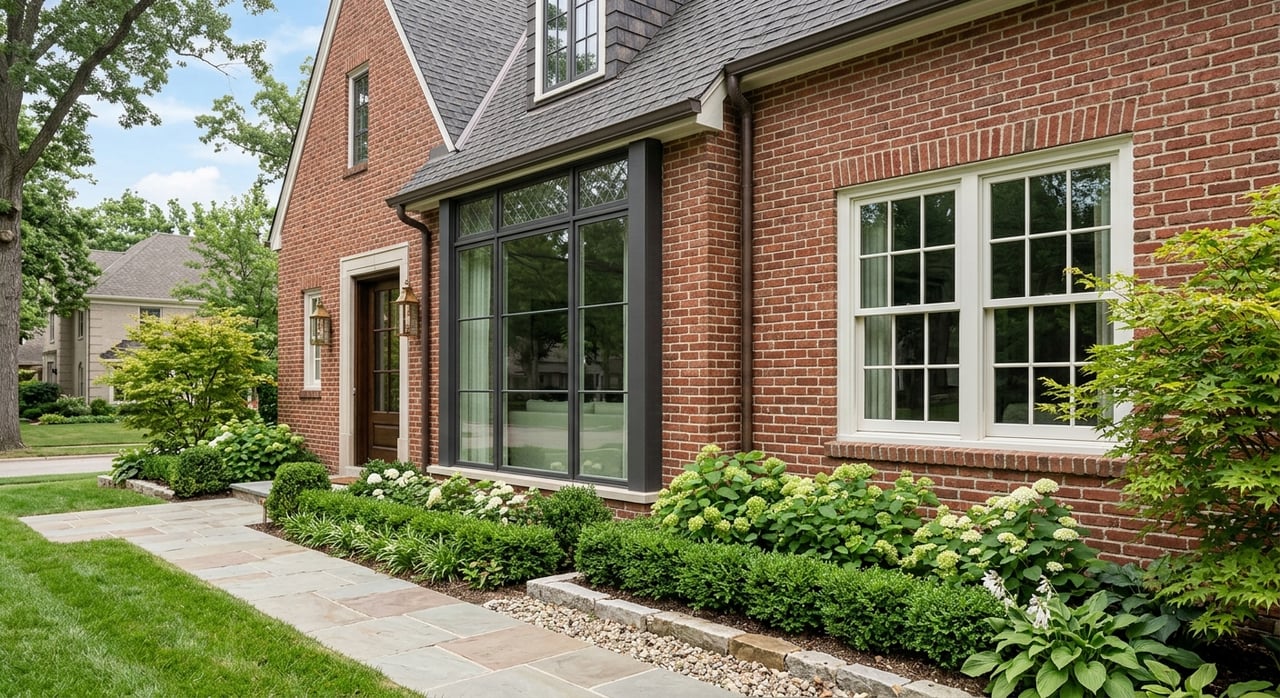
Historic-Style vs. Newer Homes in Zionsville: How To Choose
June 4, 2026
June 4, 2026
Trying to choose between a charming older home and a newer build in Zionsville? You are not alone. In a town known for both its historic Village feel and its newer planned neighborhoods, the right choice often comes down to how you want to live, what kind of upkeep you are comfortable with, and how much flexibility you want over time. If you are weighing character against convenience, this guide will help you compare both with more confidence. Let’s dive in.
Zionsville gives you more than one lifestyle. Town materials describe a mix of urban, small-town, and rural living, while The Village is recognized in local planning documents as the historic and cultural heart of town, with brick streets, historic buildings, and a pedestrian scale that cannot be replicated elsewhere.
That variety matters because most housing in Zionsville is detached and owner-occupied. Census data shows an owner-occupied housing rate of 84.2%, a median owner-occupied home value of $587,800, and single-unit structures making up 88% of housing units. In other words, many buyers here are choosing not just a house, but a long-term fit.
Historic-style homes in and around The Village often appeal to buyers who care deeply about charm, established streets, and a more traditional neighborhood pattern. In Zionsville, that setting can include older homes, mature lots, and a streetscape that feels distinct from newer subdivisions.
The local R-V Village Residential District is intended to promote and maintain the historic core and village neighborhoods. The district reinforces traditional height, bulk, and area features to preserve scale and proportion, and it includes standards such as minimum lot area, frontage, and public water and sanitary sewer requirements.
If you love details that feel hard to reproduce, a historic-style home may stand out right away. In Zionsville, that can mean a home near brick streets, walkable local destinations, and established neighborhood patterns that reflect the town’s older development style.
For many buyers, that atmosphere is the main draw. You may be trading some of the ease of newer construction for a setting that feels rooted and visually distinctive.
One important point is that not every older Village-area home is automatically subject to the same preservation rules. Zionsville’s 2022 ordinance created a Historic Preservation Commission and a process for possible conservation districts, but the ordinance itself did not create a historic district across the board.
That means you should verify the status of the specific parcel you are considering. If a conservation or historic district has been adopted for that property, certain exterior work may require town review and a Certificate of Appropriateness, including demolition, moving a building, conspicuous exterior changes, and new construction visible from a public way. Routine maintenance is exempt.
In practical terms, older homes in Village-style areas often make the most sense for buyers who value character, walkability, and a traditional street pattern. They may be less ideal if your plan is a major exterior redesign, a large addition, or a tear-down and rebuild without extra review.
That does not make them better or worse. It simply means the home’s setting and rules may shape what you can do with it.
Newer homes in Zionsville attract buyers who want a more current baseline for systems, layout, and construction standards. Indiana’s 2020 Residential Code has been in force statewide since late 2019, so newer site-built homes start from a more current code framework.
Many buyers are also drawn to newer homes for practical reasons. Open layouts, lower near-term repair needs, and the possibility of builder warranties or design selections can be appealing if you want a move-in-ready feel without planning a renovation right away.
The U.S. Department of Energy notes that state and local codes usually set minimum insulation requirements, but a truly energy-efficient home may go beyond minimum code. That is worth keeping in mind when comparing one newer home to another, since not all new construction performs the same way.
Layout is another big factor. Newer homes often reflect current preferences for open common areas, larger kitchens, and flexible living spaces. If day-to-day function matters more to you than historic charm, that can be a major advantage.
In Zionsville, newer homes are not all identical when it comes to ownership structure and maintenance responsibilities. The town notes that some streets in newer subdivisions are privately owned and maintained, and utility providers can vary by area for water, sewer, gas, electric, and trash service.
That is why two newer homes at a similar price point may still come with very different monthly costs or neighborhood rules. Some may also be part of an HOA, which can affect exterior standards, amenities, and maintenance expectations.
A newer home can reduce some concerns, but it does not eliminate the need for careful review. Zionsville’s stormwater ordinance applies to new development and redevelopment, so drainage, grading, and site work should still be part of your due diligence on both new builds and tear-down or rebuild opportunities.
If a lot has unusual grading, low spots, or visible water flow patterns, that deserves closer attention. New does not always mean problem-free.
The best choice usually depends on your priorities, not a universal rule. A design-minded buyer may gladly accept more maintenance for the right location and character, while another buyer may prefer stronger efficiency and fewer short-term projects.
Here is a simple side-by-side view:
| Factor | Historic-Style Home | Newer Home |
|---|---|---|
| Setting | Established streets, traditional pattern, Village character | Planned neighborhoods, newer subdivision layout |
| Layout | May reflect older room arrangements | Often more open and current |
| Exterior changes | May face added review depending on parcel status | Usually more flexible, but HOA rules may apply |
| Systems and efficiency | May need updates or prioritization | More current code baseline |
| Maintenance | Often more variable by age and condition | Often fewer near-term repairs, but still property-specific |
| Utilities and upkeep | Typically depends on location and age | May vary by provider, private streets, and HOA structure |
No matter which style you prefer, your decision should go beyond finishes and staging. This is where careful inspection and practical questions can protect your budget.
The Consumer Financial Protection Bureau recommends scheduling an independent home inspection as soon as possible and keeping the contract contingent on a satisfactory inspection when possible. That advice is especially helpful when you are comparing homes with very different ages and construction types.
Older homes often deserve closer attention on the building envelope. The Department of Energy says a home energy assessment should be the first step before energy-saving improvements because it helps identify where a home is inefficient and which fixes matter most.
Windows are a common example. DOE notes that windows account for about 25% to 30% of residential heating and cooling energy use, so improving existing windows or replacing them may affect both comfort and operating costs.
If the home was built before 1978, lead-based paint is another practical issue. The EPA says homes built before 1978 are more likely to have lead-based paint, and deteriorating paint or renovation work can create lead hazards. You should ask whether the required lead disclosure has been provided and whether prior renovation work was handled with lead-safe practices.
With newer homes, the inspection focus often shifts. You may spend less time worrying about the age of major systems and more time confirming workmanship, drainage, grading, warranties, HOA terms, and who maintains roads or shared features.
You should also confirm which utility providers serve the property. In Zionsville, that can vary by neighborhood, and it can affect both convenience and monthly costs.
If you are torn between a historic-style home and a newer one, these questions can quickly clarify your best fit:
If you are drawn to The Village, brick streets, and a home with personality, a historic-style property may feel worth the extra planning and upkeep. If you care more about efficiency, open living, and fewer immediate projects, a newer Zionsville home may be the better fit.
The right answer is usually less about age and more about alignment. When you match the property to your lifestyle, renovation tolerance, and long-term goals, the decision becomes much clearer.
That is where local guidance helps. With broker-level service and practical construction insight, Morton Homes Realty can help you look past surface appeal, compare tradeoffs, and choose a Zionsville home with confidence.
Stay up to date on the latest real estate trends.
Rooted in trust, expertise, and sincere dedication, we bring a lifelong appreciation of what “home” means to every client and every move.