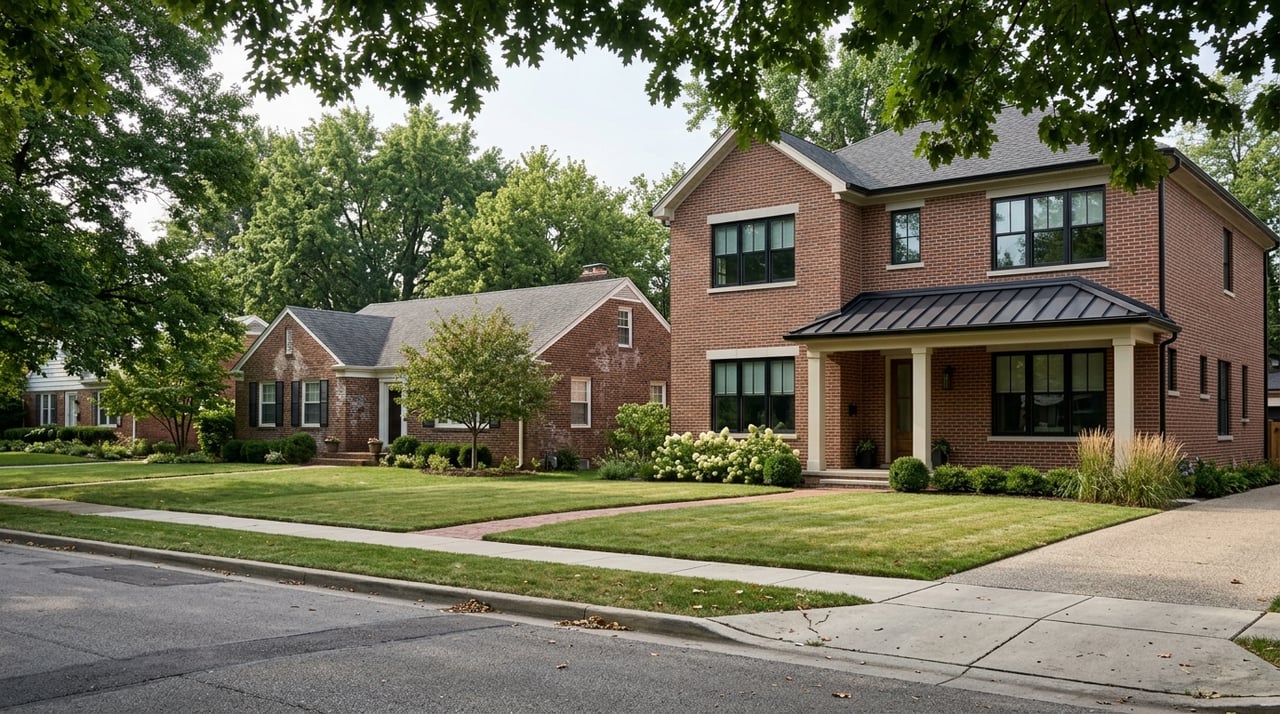
New Communities vs. Established Streets in Westfield
May 7, 2026
May 7, 2026
If you’re searching in Westfield, one question can shape your whole home search: do you want the polish and predictability of a newer community, or the character and flexibility of an established street? In a city that has grown quickly over the past two decades, that choice is more than personal style. It affects your upkeep, your day-to-day routine, and how your neighborhood feels over time. Let’s dive in.
Westfield is not a market where “new vs. old” is a small detail. The city’s 2024 Census estimate puts Westfield at 62,994 residents, and city planning documents say more than 65% of the housing stock was built after 2000. That means many buyers are deciding between very different neighborhood patterns, not just different houses.
That difference shows up in how Westfield has grown. City planning documents note that about 80% of housing is single-unit detached, but the way those homes are arranged can vary quite a bit. Some areas are master-planned with trails, amenities, and coordinated design, while others reflect older street layouts, varied home ages, and a more incremental pattern of change.
Westfield also has strong citywide lifestyle features that support both options. The city says it has 11 parks and more than 100 miles of multi-use trails. So whether you prefer a newer subdivision or an older in-town street, you are still buying into a community with a strong outdoor and connected-living focus.
In Westfield, newer neighborhoods are often shaped by planned development standards. The city’s Unified Development Ordinance says Planned Unit Development districts are meant to allow design flexibility, support a mix of uses, improve character, and preserve natural features while coordinating streets and utilities. In simple terms, newer communities often feel intentional because they were designed that way from the start.
That planning approach can translate into a more bundled lifestyle. The city’s draft comprehensive plan says newer subdivisions often include internal trail systems, recreational amenities, and pathways to nearby businesses. If you like the idea of walking within your neighborhood, using shared amenities, and having a more coordinated layout, this can be a strong fit.
Home style is another point worth noting. In Westfield, “new construction” does not mean just one type of property. Some neighborhoods offer larger detached homes with green space and extensive amenities, while others offer lower-maintenance townhomes with modern layouts and attached garages.
Many newer communities package lifestyle features into the neighborhood itself. Harmony, for example, includes more than 670 homes, over 60 acres of green space, and amenities such as a clubhouse, pools, sports courts, a fitness center, walking paths, playgrounds, and a dog park. That kind of setup appeals to buyers who want recreation and gathering spaces close to home.
Newer areas can also connect well to major destinations. Westfield’s north side and growth corridors often appeal to buyers who want convenient access to newer retail patterns, trail nodes, and Grand Park. Grand Park itself is a 400-plus-acre campus with 31 multi-purpose fields and 26 baseball and softball diamonds, which adds to the appeal of surrounding areas.
Westfield’s draft plan notes that housing built after 2000 generally means less upkeep and maintenance. For many buyers, that is a major advantage. Newer roofs, mechanical systems, windows, and exterior materials can reduce the number of near-term projects you may need to tackle after closing.
That does not mean every new home is maintenance-free. It does mean that buyers who want fewer early repairs often start their search in newer communities. This is where construction knowledge and careful home evaluation still matter, even when a property looks move-in ready on the surface.
With that coordinated feel often comes more formal neighborhood governance. In Westfield, newer communities commonly have HOA-managed standards, dues, and approval processes. Harmony’s HOA site, for example, includes governing documents, board information, and neighborhood requests, which gives you a sense of how involved an association can be in day-to-day neighborhood life.
For some buyers, that structure is a plus. Clear standards can help preserve a consistent look and manage shared amenities. For others, it can feel limiting, especially if you want more freedom for exterior changes or fewer recurring neighborhood costs.
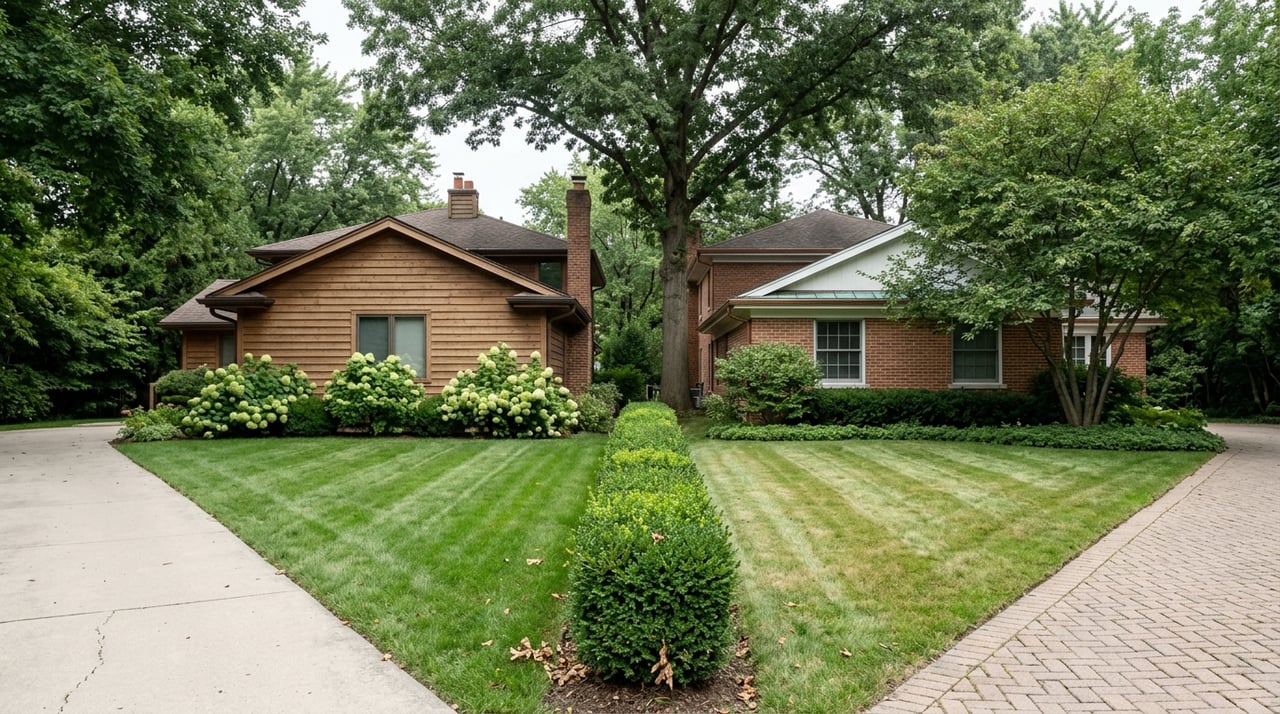
Established streets in Westfield usually appeal to buyers who want more variation in home style, lot shape, and neighborhood feel. The city’s draft plan describes Traditional Residential areas as places with detached homes, ample yards, and lower-density patterns. It also says infill in existing neighborhoods should match the established development fabric, which reinforces the idea that these areas tend to evolve more gradually.
That can create a very different experience from a newer planned subdivision. Instead of repeated elevations, amenity pods, and uniform setbacks, you may see a mix of home ages, architectural styles, and individualized improvements. If you value character and a less standardized streetscape, established areas may feel more comfortable.
Lot size is one of the clearest differences buyers notice. Westfield’s Traditional Residential guidance points to larger yards and lower density, while Village Neighborhood guidance lists typical lots around 0.1 to 0.3 acre and supports a more compact pattern. In practical terms, older streets may give you a better shot at a bigger yard and more separation between homes, depending on the specific area.
That said, established does not always mean oversized lots, and newer does not always mean small lots. Westfield has enough variety that each property still needs to be judged individually. The neighborhood pattern gives you clues, but the plat and the parcel tell the full story.
Some established Westfield streets are closer to downtown and its civic core. That can mean easier access to Grand Junction Plaza, downtown events, public gathering spaces, and nearby parking resources. Westfield’s Farmers Market, Westfield in Lights, and other events use this downtown area, which creates a different lifestyle from a private neighborhood clubhouse or pool.
Downtown Westfield is also not standing still. The city highlights projects like The Union, Ambrose on Main, and Park & Poplar as mixed-use redevelopment tied to downtown growth and the Midland Trace Trail. So if you choose an established street near downtown, you may get historic layout and older housing patterns alongside newer infill and public investment.
For many buyers, this comparison comes down to one central question: how much structure do you want, and how much flexibility matters to you? Newer communities often offer lower immediate upkeep, more shared amenities, and clearer neighborhood rules. Established streets may offer more owner autonomy, more variation, and less of a master-planned feel.
Neither option is automatically better. It depends on how you live. If you want a neighborhood where amenities, trails, and appearance standards are built into the experience, a newer community may check more boxes. If you prefer a home with a distinct setting, a less uniform street, and potentially more room to personalize over time, an established area may be the stronger fit.
No matter which direction you lean, due diligence matters. Marketing can tell you how a neighborhood is presented, but recorded documents tell you how a property is actually governed. Hamilton County makes subdivision plats and other public records available through its electronic records system, and Westfield’s platting process shows how lots, streets, and infrastructure are formally defined.
That matters because assumptions can lead buyers in the wrong direction. A home on an older street is not automatically free from restrictions. A home in a newer neighborhood may have more flexibility than you expect in some areas and less in others.
Exterior changes are a practical place where neighborhood differences show up fast. Westfield says it does not require a fence permit, but front-yard fences cannot exceed 42 inches and side or rear fences cannot exceed 6 feet. The city also notes that some neighborhoods have their own rules for fence type, height, and placement and may require HOA approval.
Pools are another example. Westfield requires permits and inspections for inground pools, while ground pools do not require a city permit, though HOA standards may still apply. If features like fencing, a pool, landscaping changes, or exterior additions matter to you, verify both city rules and neighborhood restrictions before you buy.
When you compare a new community and an established street, it helps to look past cosmetics. Think about the lot, drainage, orientation, street pattern, trail access, maintenance obligations, and the long-term feel of the block. A pretty kitchen is easy to notice, but neighborhood structure often has a bigger effect on your daily life.
This is also where experienced local guidance can make a real difference. In a market like Westfield, choosing well is often less about whether a home is simply new or old and more about whether the property’s layout, condition, restrictions, and location match the way you want to live.
A newer Westfield community may fit you best if you want:
An established Westfield street may fit you best if you want:
The right answer is usually personal, not universal. Your timeline, maintenance comfort, design preferences, and future plans all matter. A home that looks perfect on paper can still be the wrong fit if the neighborhood structure does not support how you want to live.
If you want help comparing specific Westfield neighborhoods, lot patterns, and resale considerations, Morton Homes Realty can help you sort through the details and make a confident decision.
Stay up to date on the latest real estate trends.
Rooted in trust, expertise, and sincere dedication, we bring a lifelong appreciation of what “home” means to every client and every move.