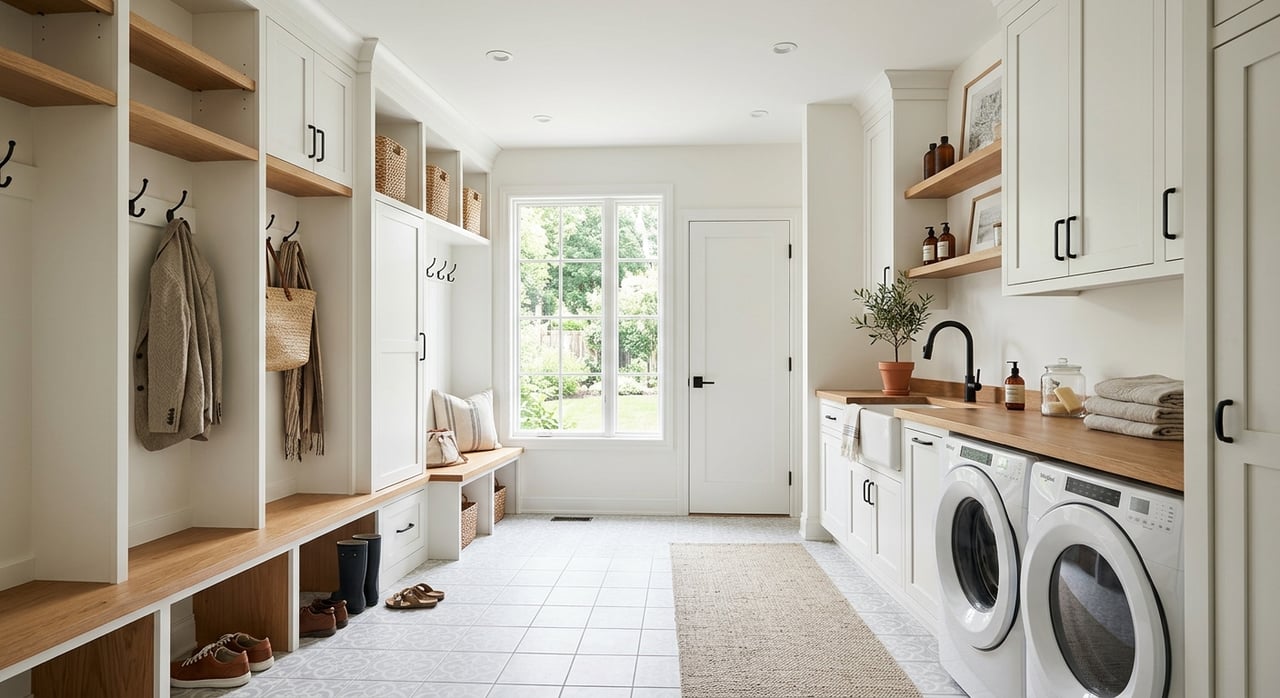
Getting a Longtime Zionsville Home Ready for Today’s Buyers
June 11, 2026
June 11, 2026
If you have lived in your Zionsville home for years, getting it ready to sell can feel overwhelming. You may be wondering what today’s buyers expect, what is worth fixing, and what you can skip. In a market where well-presented homes can still move quickly and close near asking price, smart preparation matters. This guide will help you focus on the updates and decisions most likely to make your home feel current, cared for, and ready for the market. Let’s dive in.
Zionsville remains an active market, even as different data sources report slightly different numbers. Recent spring 2026 snapshots point to the same general pattern: homes that show well can move in a matter of weeks, and in some cases faster, while sale-to-list ratios have remained close to asking price in Boone County and Zionsville.
That matters if you are selling a longtime home. Buyers may move quickly, but they are also paying close attention to condition, presentation, and whether a home feels ready for modern living. A dated home can still sell, but homes that feel clean, intentional, and well maintained are better positioned to stand out.
Zionsville’s setting also shapes buyer expectations. The town is known for its small-town character, historic buildings, and a blend of rustic and modern design. That means your front approach and exterior presentation matter just as much as what buyers see once they step inside.
Buyers often form a strong opinion before they ever walk through the front door. Listing photos, videos, and virtual tours play a major role in how your home is judged online, and buyers’ agents report that staging helps people picture themselves living in a home.
For a longtime owner, this is an important mindset shift. Buyers are not comparing your home only to other resale homes. Many are also comparing it to polished online listings and TV-style spaces that look fresh, bright, and simplified.
That does not mean you need a full renovation. It does mean your home should look deliberately prepared for sale, not simply lived in. The rooms that deserve the most attention are the living room, primary bedroom, and kitchen, because those are the spaces buyers notice most.
Before you spend money, walk through your home as if you were seeing it for the first time. Look for signs of wear, visual clutter, dated finishes, and anything that could raise questions about maintenance.
Try to focus on what buyers will notice in the first few seconds of entering each room. Scuffed paint, crowded furniture, stained carpet, loose hardware, dim lighting, or an overfilled closet can make a home feel smaller or less cared for than it really is.
This first walkthrough should also help you spot issues that go beyond appearance. Roof concerns, moisture stains, window problems, aging systems, or unfinished repairs should move to the top of your list, especially because Indiana sellers are generally required to complete a residential sales disclosure form based on current actual knowledge.
If you do nothing else at the start, declutter and clean. National staging research shows these are the most common and most recommended seller prep steps, and they are usually the best place to begin for a longtime owner.
Decluttering does not mean stripping all personality out of the home. It means reducing visual noise so buyers can focus on the space itself. That often includes removing extra furniture, clearing counters, thinning bookshelves, packing personal collections, and organizing storage areas.
A deep clean matters just as much. Buyers notice baseboards, windows, grout, light fixtures, and flooring. A clean home sends a simple message: this property has been cared for.
Many sellers ask whether they need to remodel before listing. In most cases, the answer is no. The strongest prep strategy is usually to correct visible defects, refresh key surfaces, improve curb appeal, and then stage the home.
National remodeling and staging data support a practical order of operations. Cosmetic refreshes like painting, front-entry improvements, and targeted room updates often make more sense before large remodeling projects, especially if the home is functional but dated.
Here is a smart way to prioritize your prep dollars:
If a kitchen or bathroom is clearly damaged or no longer functions well, a larger update may be worth considering. But if the space is usable, buyers often respond well to a home that feels clean, neutral, and well cared for, even if every finish is not brand new.
Today’s buyers are less willing to overlook condition issues than they were in the past. That makes functional repairs more important than purely decorative upgrades when you are deciding where to spend.
If you have an active leak, old water damage, electrical concerns, HVAC problems, or a roof issue, those items deserve attention before cosmetic improvements. These are the kinds of issues that can affect buyer confidence, inspection results, and your disclosure responsibilities.
This is where practical guidance matters. A longtime home often has layers of repairs and updates from different decades, and not every project adds value in the same way. The goal is to make wise decisions that protect your sale rather than chase every trend.
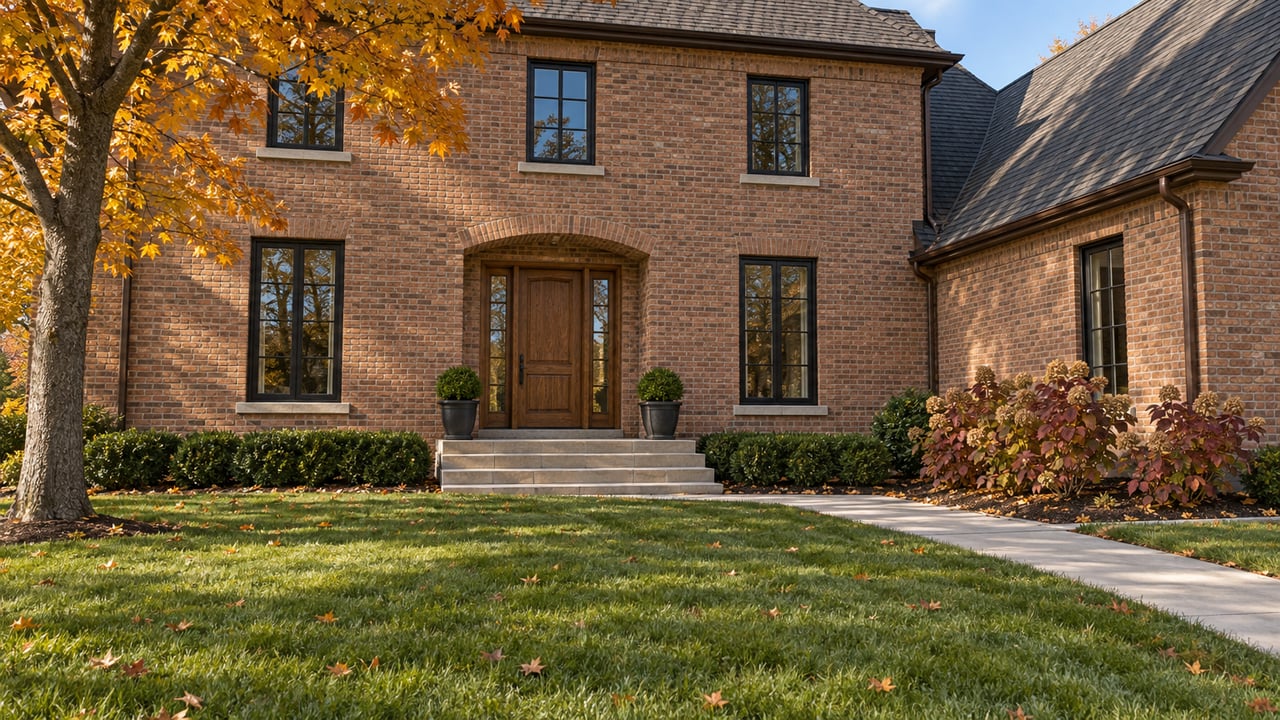
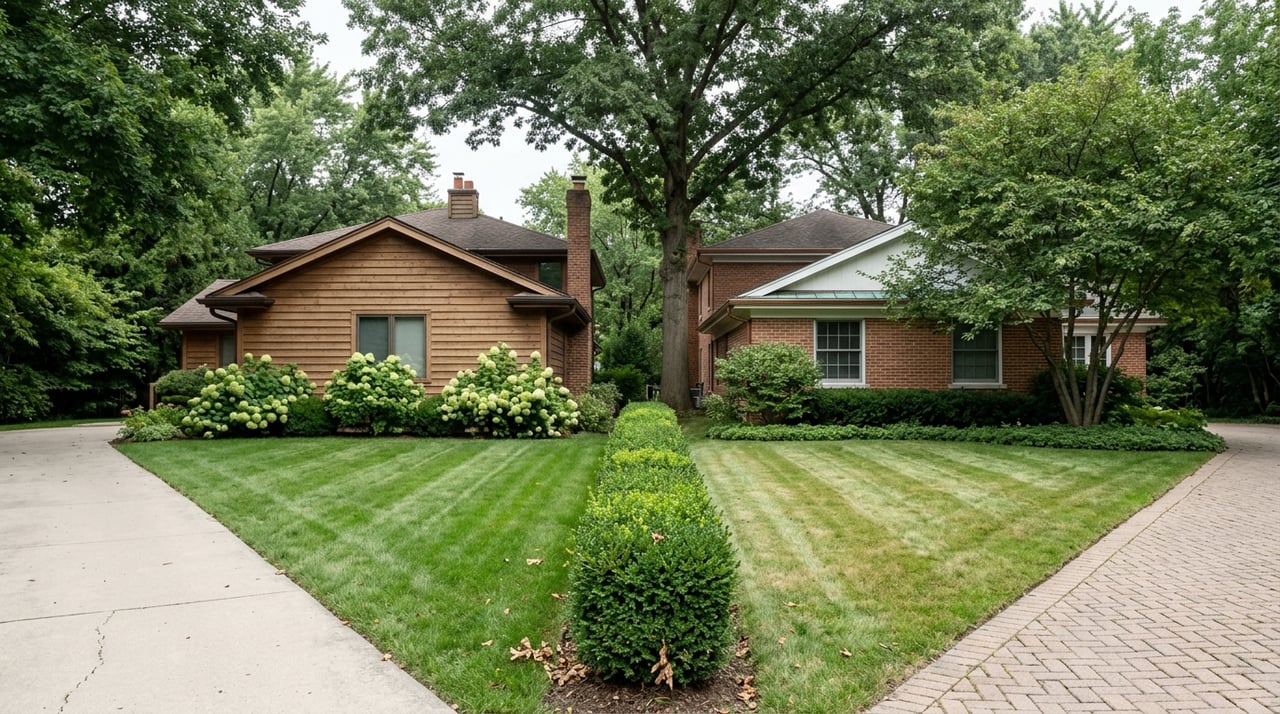
In Zionsville, exterior presentation carries extra weight. The town’s character is part of its appeal, so buyers pay attention to how a home fits the surrounding streetscape and whether it looks maintained from the road.
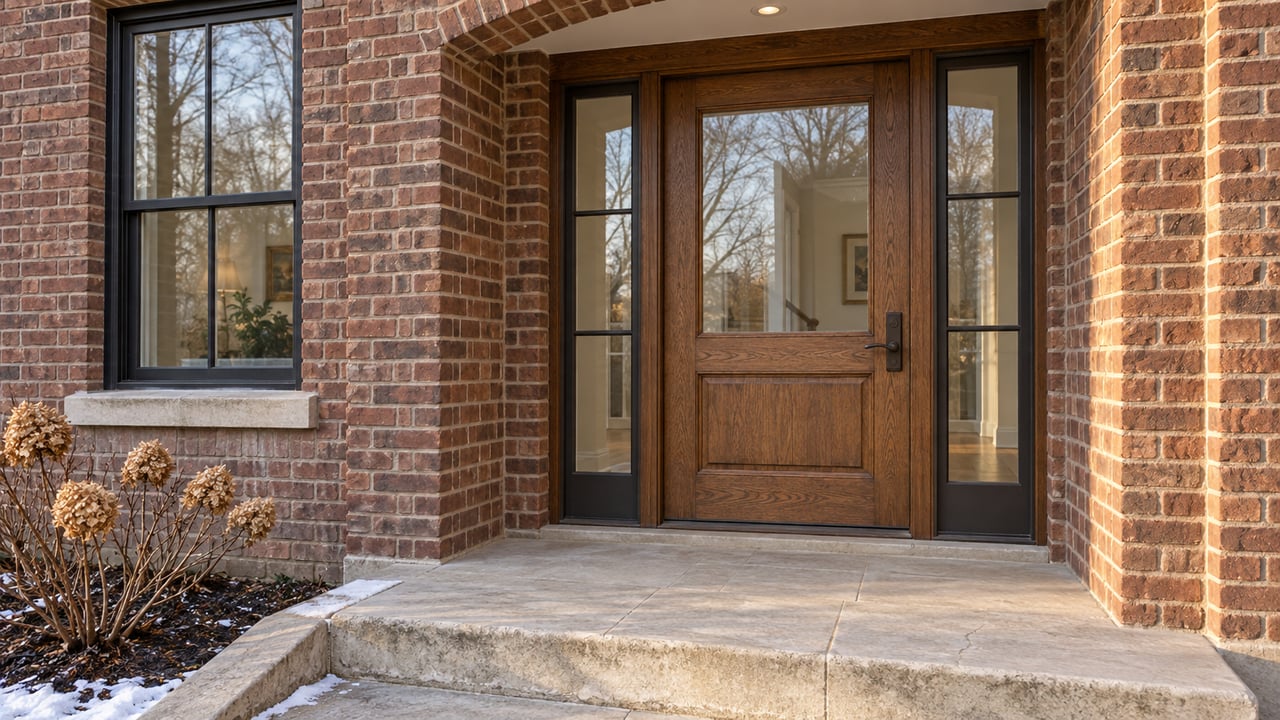
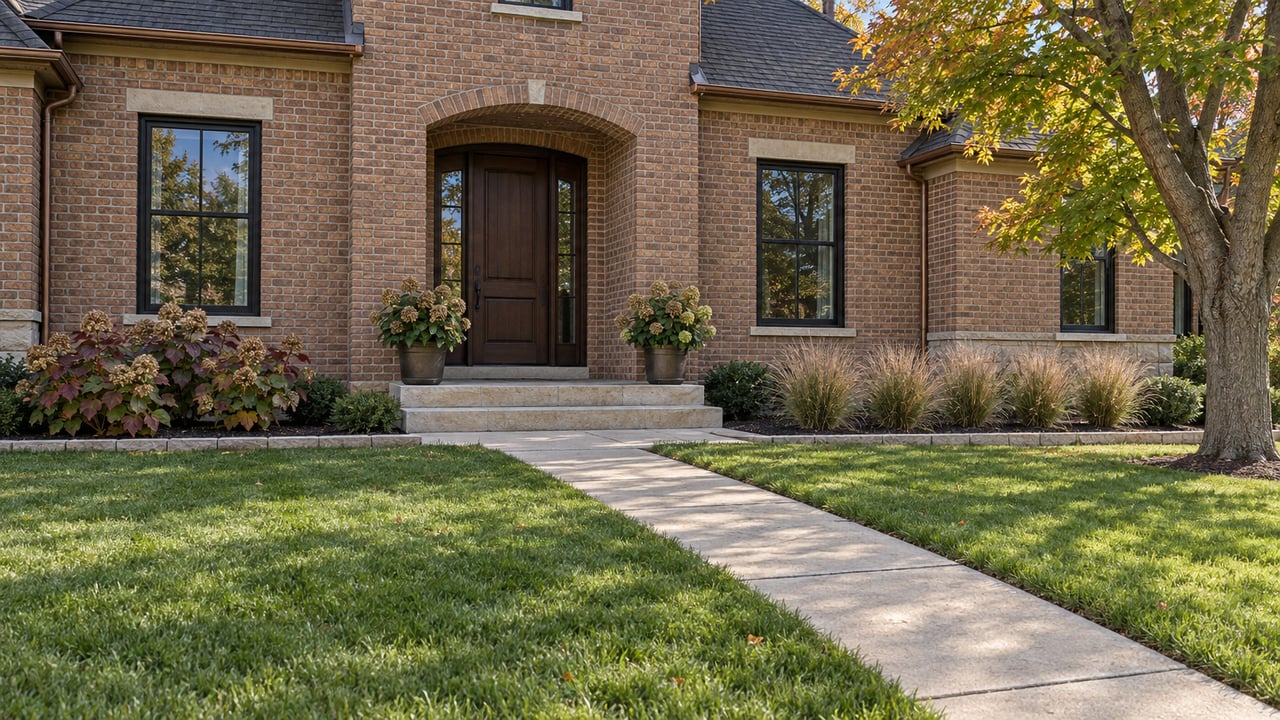
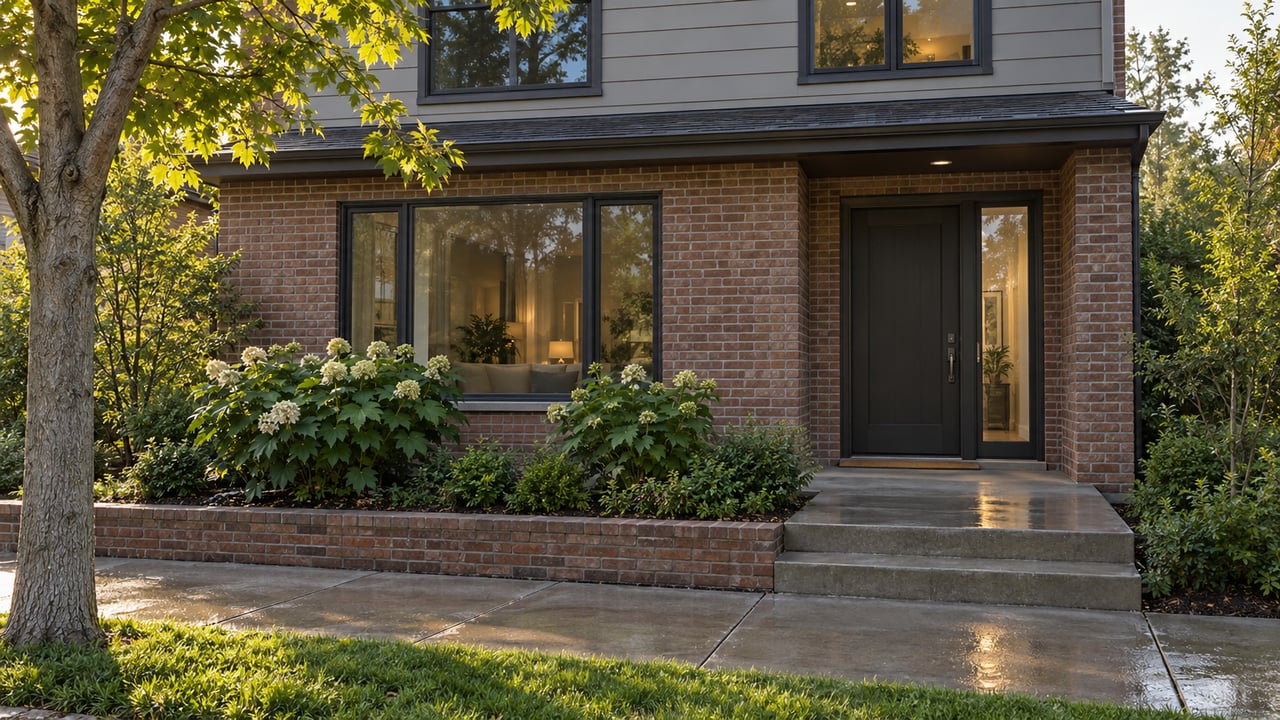
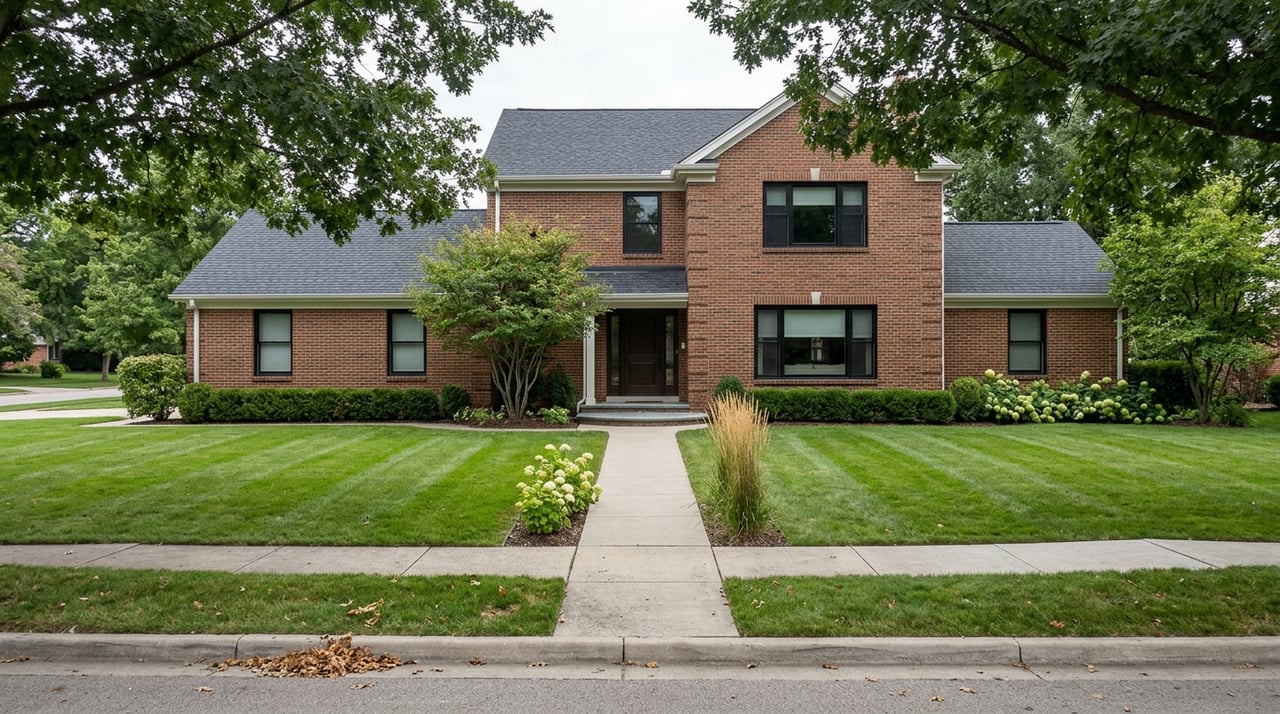
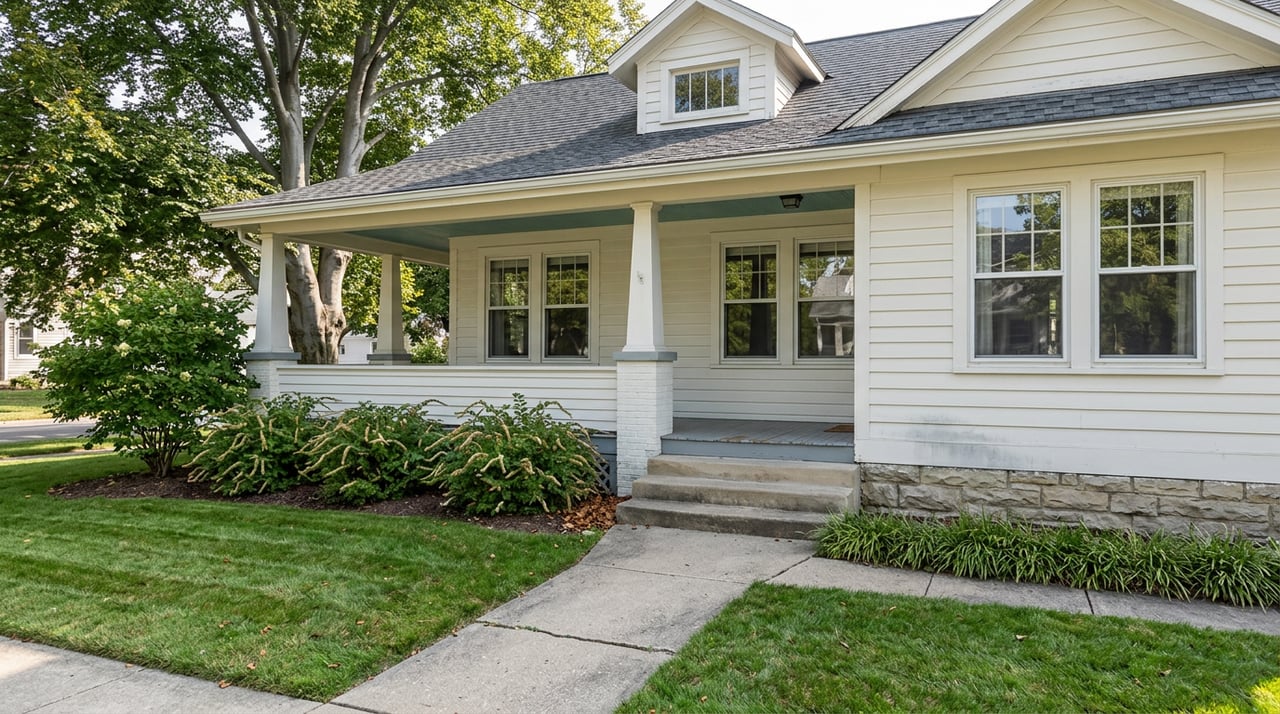
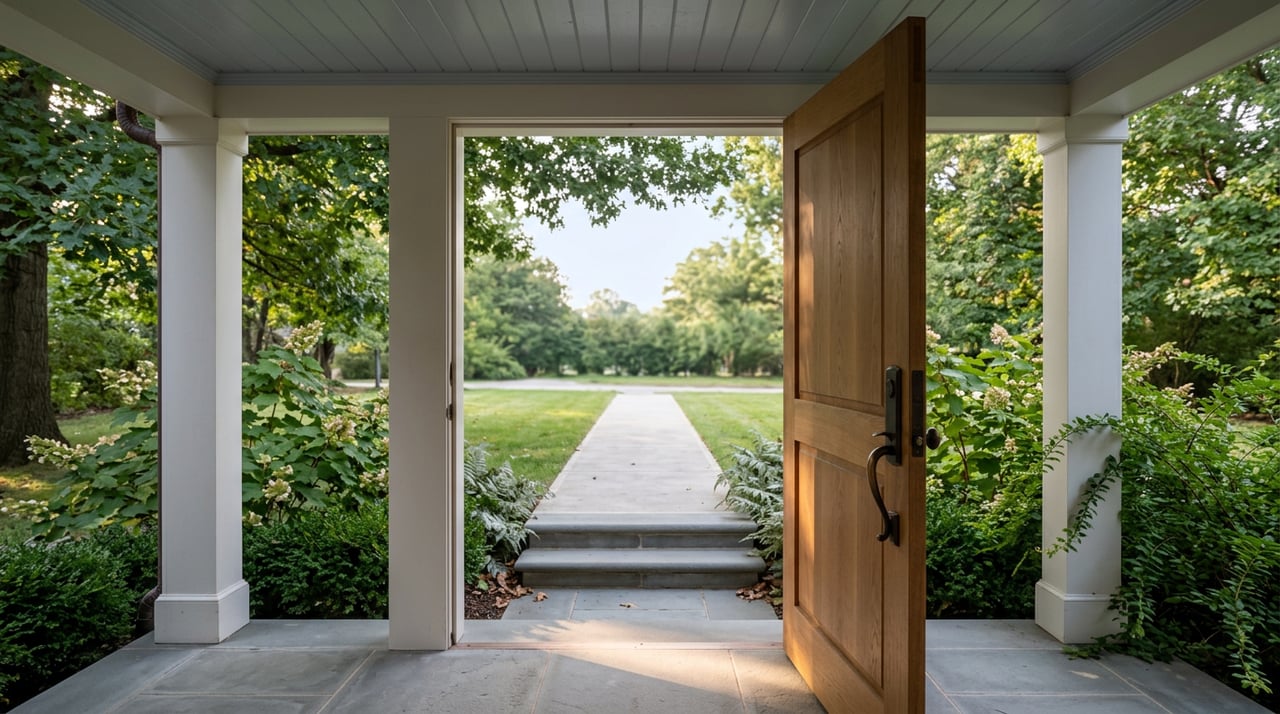
Simple improvements can go a long way. A clean front porch, fresh mulch, trimmed landscaping, a painted or replaced front door, updated house numbers, and a tidy driveway all help create a better first impression.
National remodeling data also support the value of exterior updates. Front doors, garage doors, siding refreshes, and exterior paint consistently rank high as projects that improve appearance and owner satisfaction. For sellers, these are often more visible and effective than expensive interior overhauls.
Before you begin larger exterior or structural projects, make sure you understand local requirements. Zionsville’s permit system includes permits or related forms for improvements such as reroofing, electrical work, sewer work, demolition, additions, remodels, and decks. The town also notes that permits do not replace HOA approval, and inspections are required under a valid permit.
If your home is in a historic district, be especially careful. Zionsville requires a Certificate of Appropriateness for certain visible exterior changes, demolition, new visible construction, and some fence or wall changes in primary areas.
This step can save you time, money, and stress. It is always better to confirm whether approval is needed before changing siding, porches, rooflines, fencing, or other exterior features that are visible from a public way.
Staging is not just about open houses. It plays a major role in how your home appears online, where many buyers first decide whether your property is worth a closer look.
The most commonly staged spaces are the living room, primary bedroom, dining room, and kitchen. Even light staging can help these rooms feel brighter, more spacious, and easier to understand.
It is also helpful to know that staging does not always require moving out or fully redecorating. In many cases, it means using your existing furnishings more strategically, removing extra pieces, adjusting layout, and adding a few finishing touches so the home photographs well.
The timing matters too. Professional photos, drone work, virtual tours, and other listing media should happen only after the home is fully prepared. Once images are online, they set the tone for how buyers view everything else.
If you want a manageable way to tackle the process, use this order:
This kind of step-by-step plan helps you stay focused. It also keeps you from spending heavily in the wrong places before the basics are handled.
Selling a longtime home can feel personal, especially if it has been the backdrop for many years of life and memories. But buyers are not looking for perfection. They are looking for a home that feels well maintained, easy to understand, and ready for their next chapter.
That is why the best prep plan is usually not the flashiest one. It is the one that clears distractions, handles important repairs, highlights your home’s strengths, and presents the property with care.
If you are thinking about selling in Zionsville, the right guidance can help you decide what to fix, what to leave alone, and how to prepare your home in a way that protects both your time and your value. When you are ready for a thoughtful, local approach, connect with Morton Homes Realty for practical advice on pricing, preparation, and presentation.
Stay up to date on the latest real estate trends.
Rooted in trust, expertise, and sincere dedication, we bring a lifelong appreciation of what “home” means to every client and every move.