How Construction Quality Impacts Carmel Home Values
April 16, 2026
April 16, 2026
If you are buying or selling in Carmel, construction quality can have a bigger impact on value than many cosmetic updates. In a market where buyers often compare several homes and notice the difference between solid workmanship and surface-level polish, the details behind the walls matter. Understanding what buyers, inspectors, and appraisers tend to notice can help you make smarter decisions and protect your home’s resale strength. Let’s dive in.
Carmel is a higher-value suburban market, with the U.S. Census Bureau reporting a median value of owner-occupied housing units of $486,800 and a homeownership rate of 74.3%. Recent market trackers also place local values in roughly the $495,000 to $563,000 range, depending on the source and method. In a market like this, buyers usually look closely at condition, maintenance, and build quality, not just finishes. You can review Carmel housing data on the U.S. Census QuickFacts page.
Carmel also has housing from different growth eras. According to the city’s statistics and demographics page, Carmel saw major growth in the 1980s and 1990s, followed by later redevelopment along the U.S. 31 corridor and City Center. That means local buyers may compare older homes, updated resales, and newer construction side by side, making construction quality easier to spot.
A home’s age does not automatically determine its value. What often matters more is how well the home was built, maintained, and updated over time. Fannie Mae’s appraisal guidance supports this idea, noting that older homes can still compete well when their condition and quality match what typical buyers expect in the area.
That matters in Carmel because two homes with similar square footage can perform very differently on resale. One may have a newer roof, dry basement, sound structure, and reliable mechanical systems. The other may have prettier finishes but hidden moisture issues or deferred repairs that make buyers hesitate.
In central Indiana, roof condition carries real weight. The Indiana Residential Code includes local design factors such as 115 mph wind speed, 20 psf ground snow load, and severe weathering, which help explain why roofing materials, flashing, and installation quality matter so much. You can see those standards in the 2020 Indiana Residential Code.
Home inspection guidance also directs attention to roof leaks and attic concerns, while storm activity in central Indiana has included damaging wind and hail that can affect shingles, siding, and exterior surfaces. For many Carmel buyers, a roof is not just a maintenance item. It is one of the first signals of how well the home has been cared for.
The exterior envelope includes siding, flashing, seals, gutters, and attic ventilation. These are easy to overlook when fresh paint and attractive landscaping catch the eye, but they help defend the home from moisture and weather damage. If those systems are failing, buyers may worry about larger repair costs ahead.
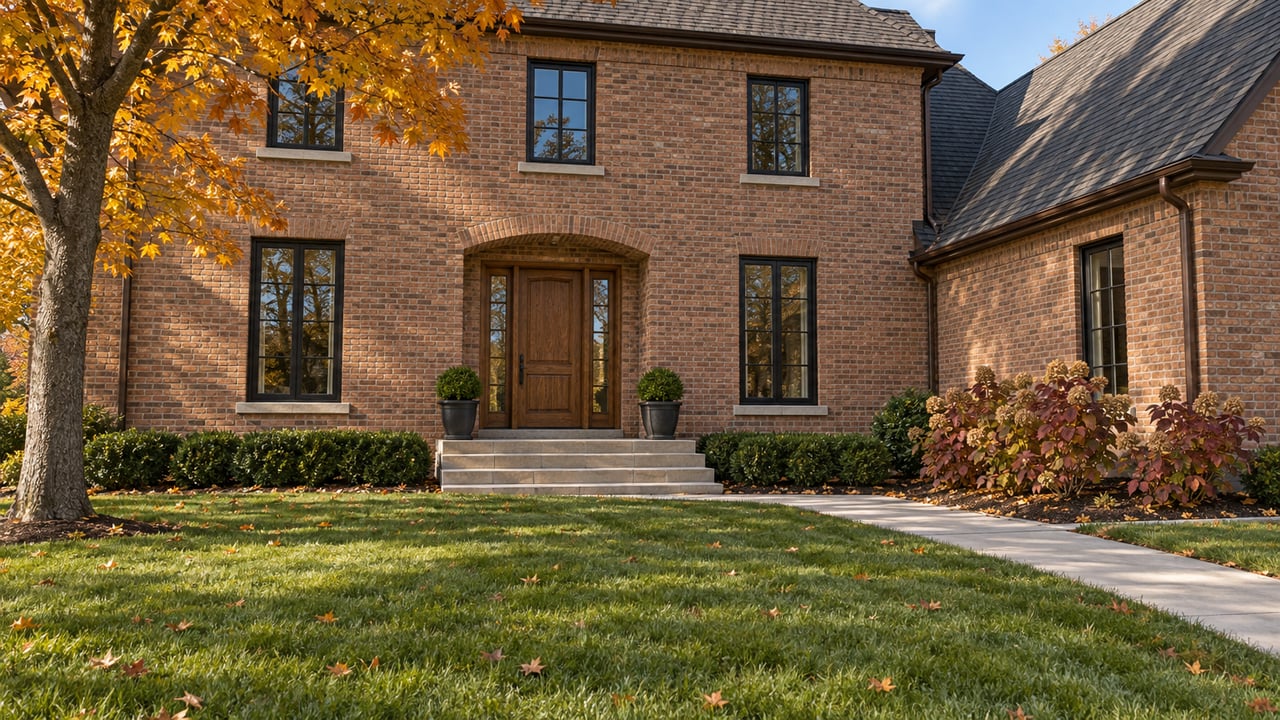
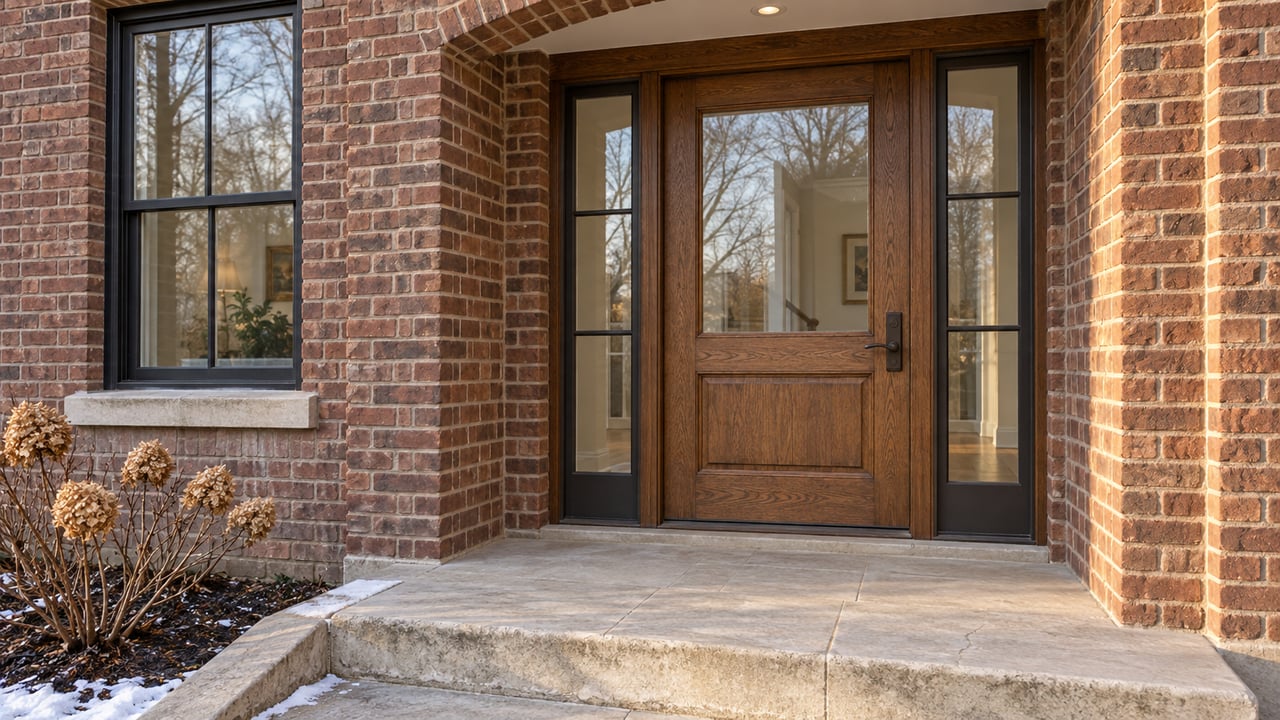
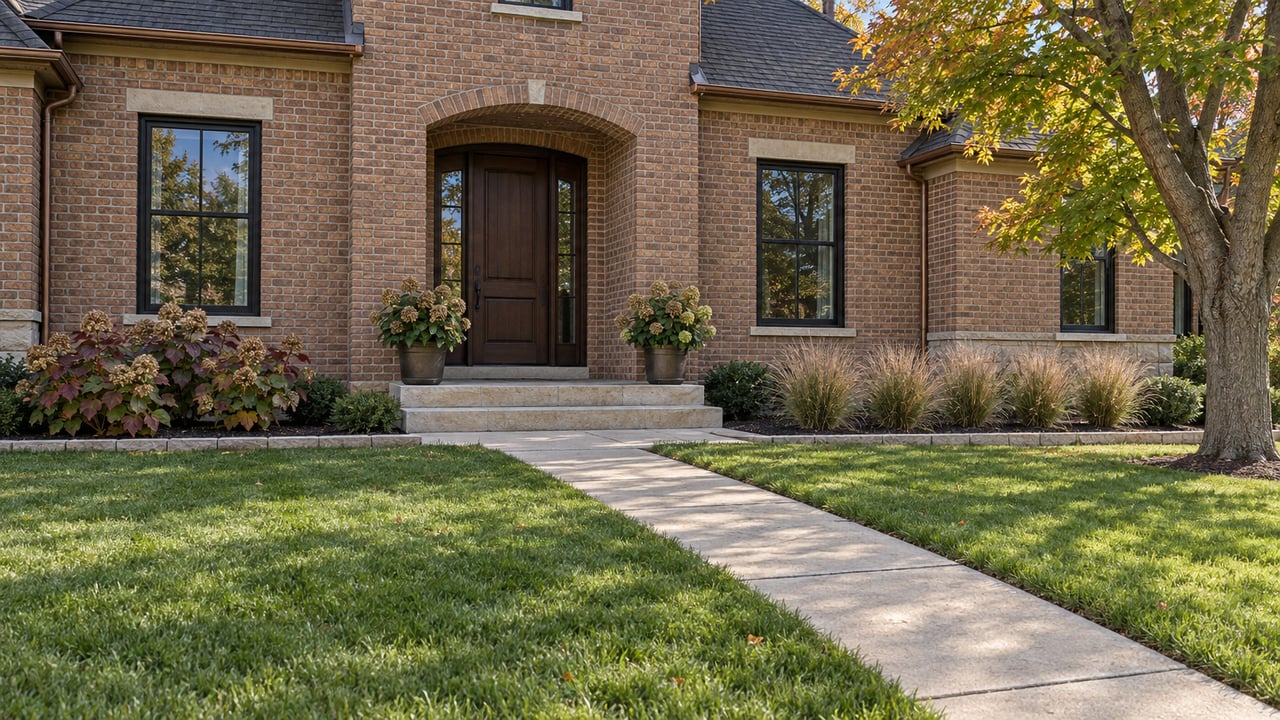
Strong resale homes in Carmel often show evidence of careful exterior maintenance. Clean rooflines, functional gutters, intact seals, and no visible signs of water intrusion can make a meaningful difference when buyers compare options.
Carmel’s stormwater management program explains that the city works to reduce runoff from buildings, lawns, and streets and address localized drainage issues. The city also notes that its system includes more than 600 miles of stormwater piping and more than 20,000 drainage structures. That local context makes grading, downspouts, gutters, sump pumps, and moisture control especially relevant.
In practical terms, buyers notice when a home handles water well. A yard that slopes properly, downspouts that move water away from the foundation, and a basement that feels dry can support value far more than decorative upgrades alone.
A finished basement can be a strong feature, but only when the underlying space is dry and stable. Inspection guidance specifically calls for attention to cracks and signs of water intrusion, and Fannie Mae states that dampness or abnormal settlement can affect value and marketability.
That is why a beautiful lower level may not impress buyers if they smell moisture or see signs of seepage. In many cases, a dry, sound basement adds more confidence than an elaborately finished one with underlying issues.
Fannie Mae requires appraisers to identify physical deficiencies that affect safety, soundness, or structural integrity. Inspection guidance also looks for broken structural members and separations between materials and the structure itself. In simple terms, hidden structural problems tend to matter more than surface updates.
For sellers, that means a new backsplash or trendy light fixture may not offset concerns about sloping floors, wall cracking, or signs of settlement. For buyers, it is a reminder to look beyond design choices and focus on the home’s core condition.
This is good news for many Carmel homeowners. An older home can still hold strong value if it has been maintained well and presents in a way that typical buyers find acceptable. Good condition can make a home’s effective age feel lower than its actual age, which is one reason some established Carmel properties remain very competitive.
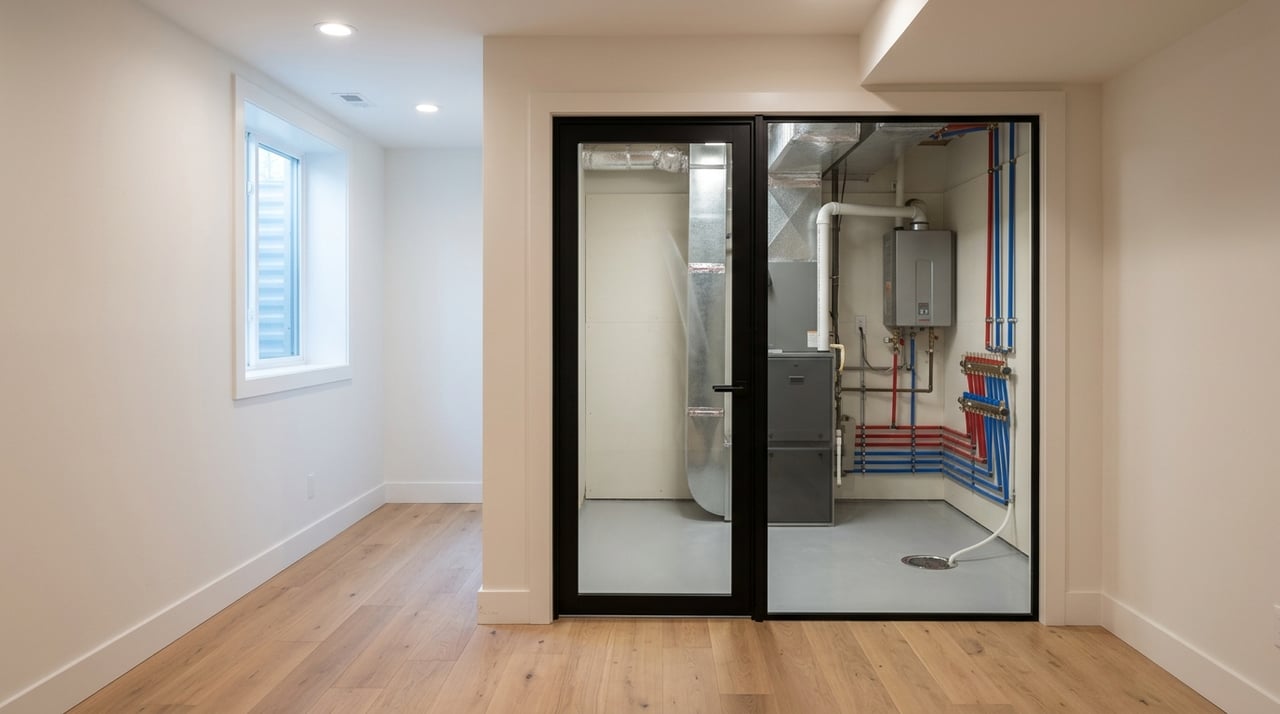
Mechanical reliability is another major part of construction quality. Fannie Mae notes that buyers and lenders may resist homes with inadequate plumbing, heating, or electrical service. Home inspection guidance also checks HVAC function, plumbing leaks, and basic electrical safety concerns.
For many buyers, system reliability shapes how they perceive value. A home with dependable HVAC, updated electrical components, and no active plumbing issues often feels like a safer investment than one with stylish finishes but aging or poorly maintained systems.
Freddie Mac’s maintenance guidance also emphasizes routine care such as checking drains, gutters, roof issues, furnace filters, cooling systems, basement dampness, and sump pumps. That kind of maintenance may not photograph like a renovation, but it often does more to preserve long-term value.
Carmel states that residential projects must be permitted and inspected, and the city ties code enforcement and building inspections to preserving the value of public and private properties. You can review this on Carmel’s residential permits page and its statistics and demographics page.
If you have completed major work, documentation matters. Buyers often feel more comfortable when updates were properly permitted and inspected, especially for structural changes, additions, electrical work, plumbing work, roofing, or major mechanical replacements.
In Carmel, the best value-protecting improvements are often the least flashy. Based on the appraisal and inspection guidance in the research, these items usually deserve attention before cosmetic projects:
Once those core items are in good shape, cosmetic improvements like paint, flooring, kitchens, and baths can do more to support marketability.
If you are preparing to list, construction quality should shape your repair strategy. Buyers in Carmel often respond well to homes that feel cared for, dry, solid, and mechanically dependable. Addressing roof issues, drainage concerns, or visible maintenance problems before listing can reduce buyer objections later.
It can also improve how your home performs during inspections and appraisal. In many cases, the right pre-listing decisions help support stronger pricing and smoother negotiations.
If you are shopping in Carmel, look past the finish selections for a moment. Ask how the roof is performing, whether the basement stays dry, how water drains away from the home, and whether major systems have been maintained. Those answers often tell you more about future value than the latest design trends.
This is especially important when comparing older homes with newer ones. A well-maintained older property may offer better long-term value than a newer home with unresolved construction or drainage concerns.
When you want guidance on how construction quality may affect a Carmel home’s value, working with a local team that understands both resale strategy and home condition can make the process clearer. Morton Homes Realty brings deep Carmel roots and practical construction insight to help you evaluate the details that matter most.
Stay up to date on the latest real estate trends.
Rooted in trust, expertise, and sincere dedication, we bring a lifelong appreciation of what “home” means to every client and every move.