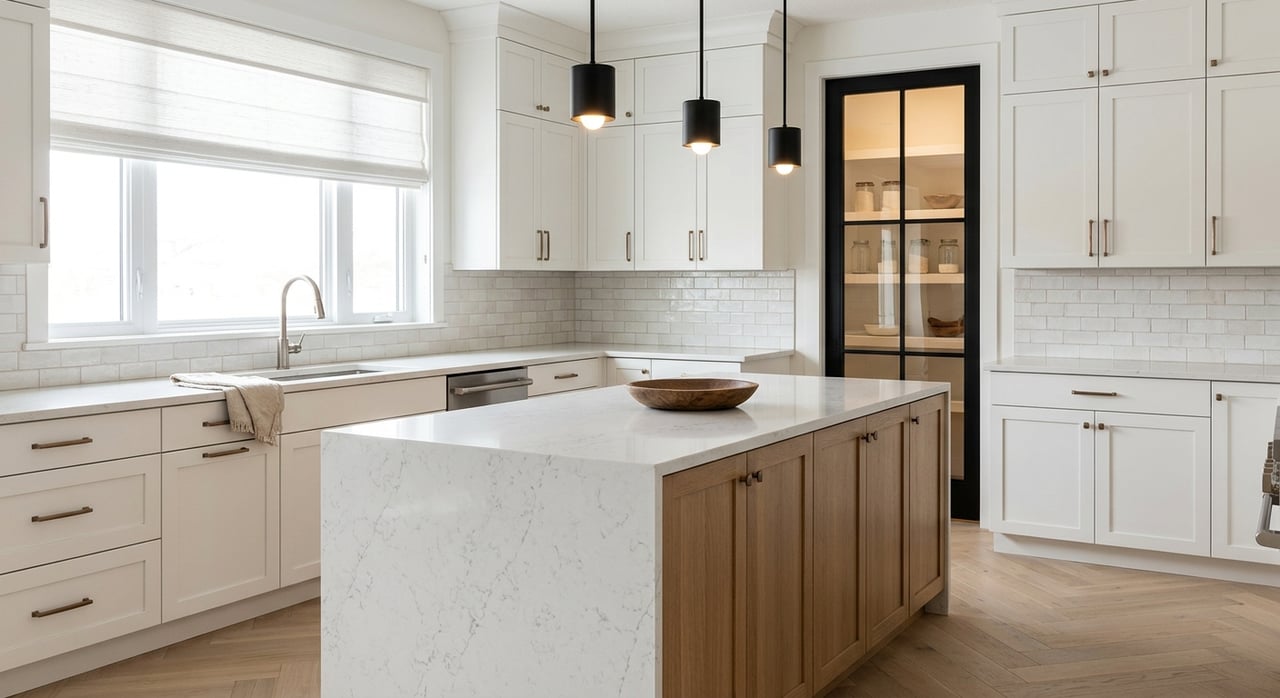
Preparing Your Westfield Home for Photos, Video, and Tours
May 21, 2026
May 21, 2026
If your home will make its first impression online, every photo, video clip, and tour matters. In a growing market like Westfield, where buyers can compare many listings at once, presentation can shape how quickly your home gets noticed and how confidently buyers decide to schedule a showing. The good news is that you do not need perfection to make a strong impression. You need a home that looks clean, bright, credible, and easy to picture living in. Let’s dive in.
Westfield continues to grow quickly, and that growth brings more housing choices for buyers to compare. The city reports a 2024 Census estimate of 62,994 residents, and its planning documents point to continued development pressure across the broader Westfield-Washington Township area. For sellers, that means your home is competing in a market where online presentation carries real weight.
Current housing data reinforces that point. In spring 2026, Westfield home prices hovered around the $500,000 mark, with median days on market in the mid-30s and hundreds of homes for sale. In a market like this, strong visuals help buyers understand your home faster and decide whether it belongs on their short list.
That is not just a marketing opinion. NAR’s 2025 staging research found that buyers’ agents rated photos, physical staging, videos, and virtual tours as important to their clients, and 83% said staging made it easier for buyers to visualize a property as a future home. Nearly half of interested buyers also begin their search online, which makes your digital presentation a key part of the selling process.
Not every room needs the same level of attention before a shoot. According to NAR, the rooms that matter most for staging are the living room, primary bedroom, kitchen, dining room, and outdoor spaces. If your time or budget is limited, start there.
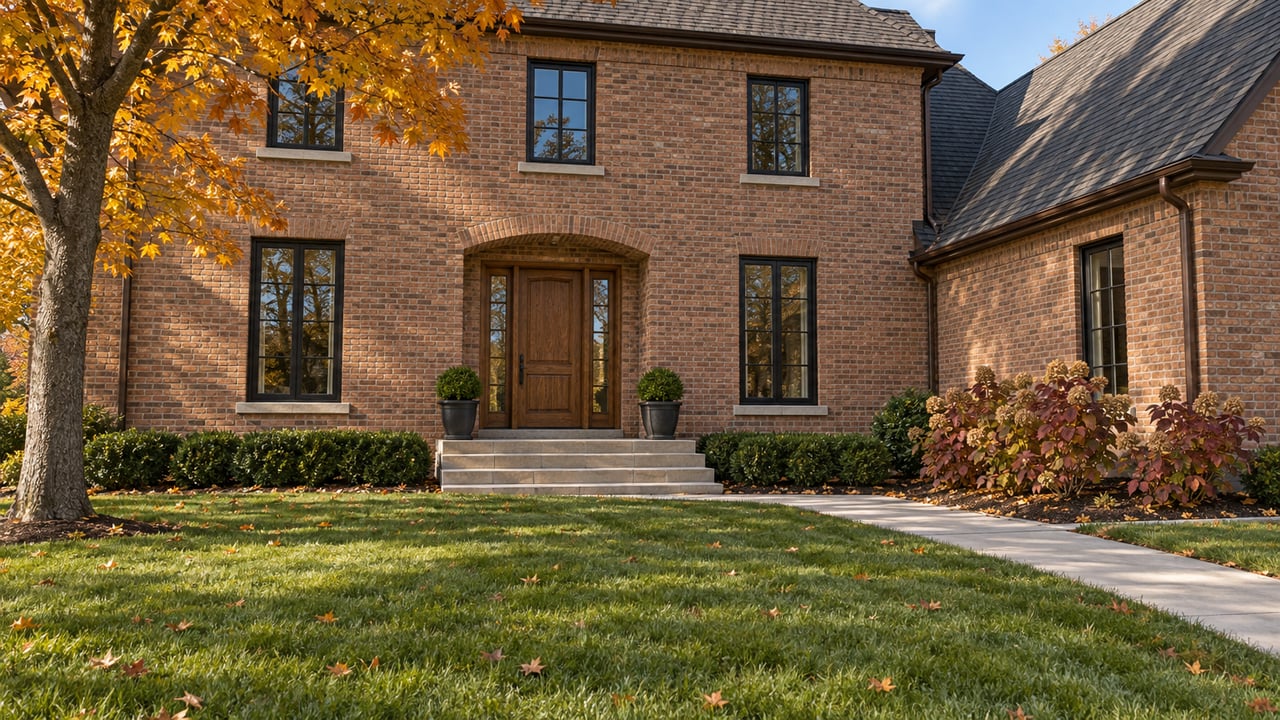
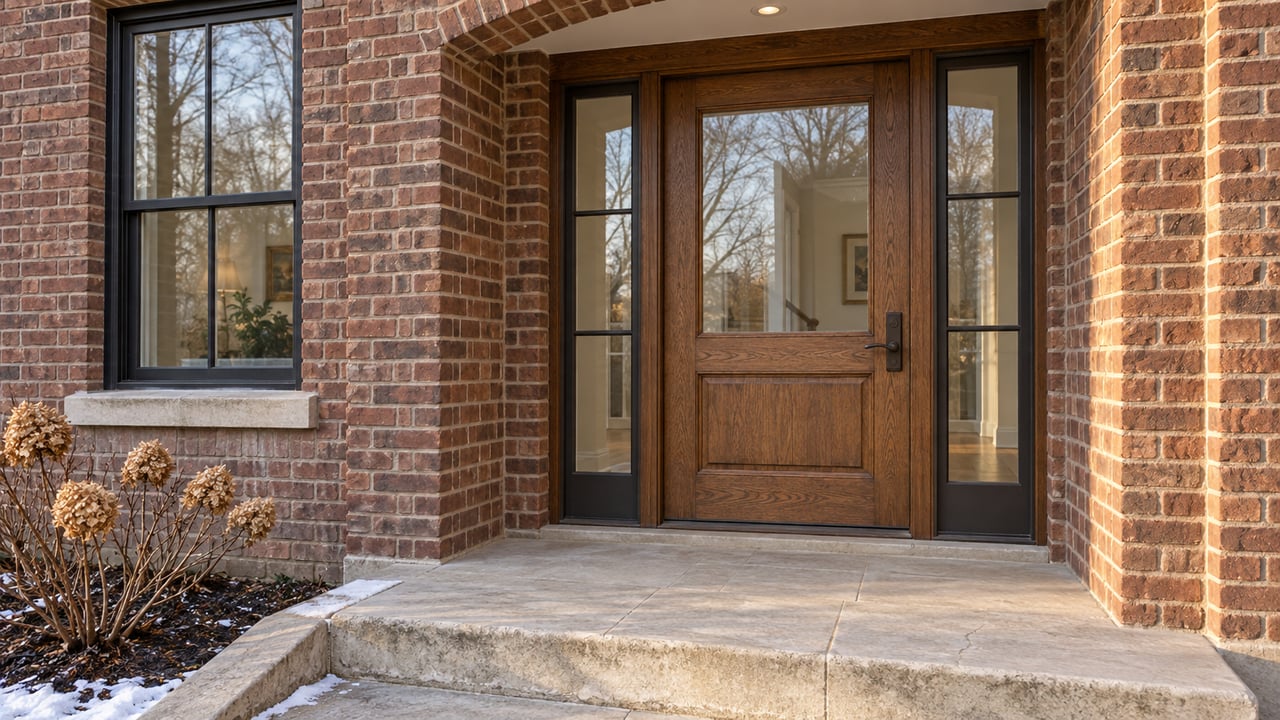
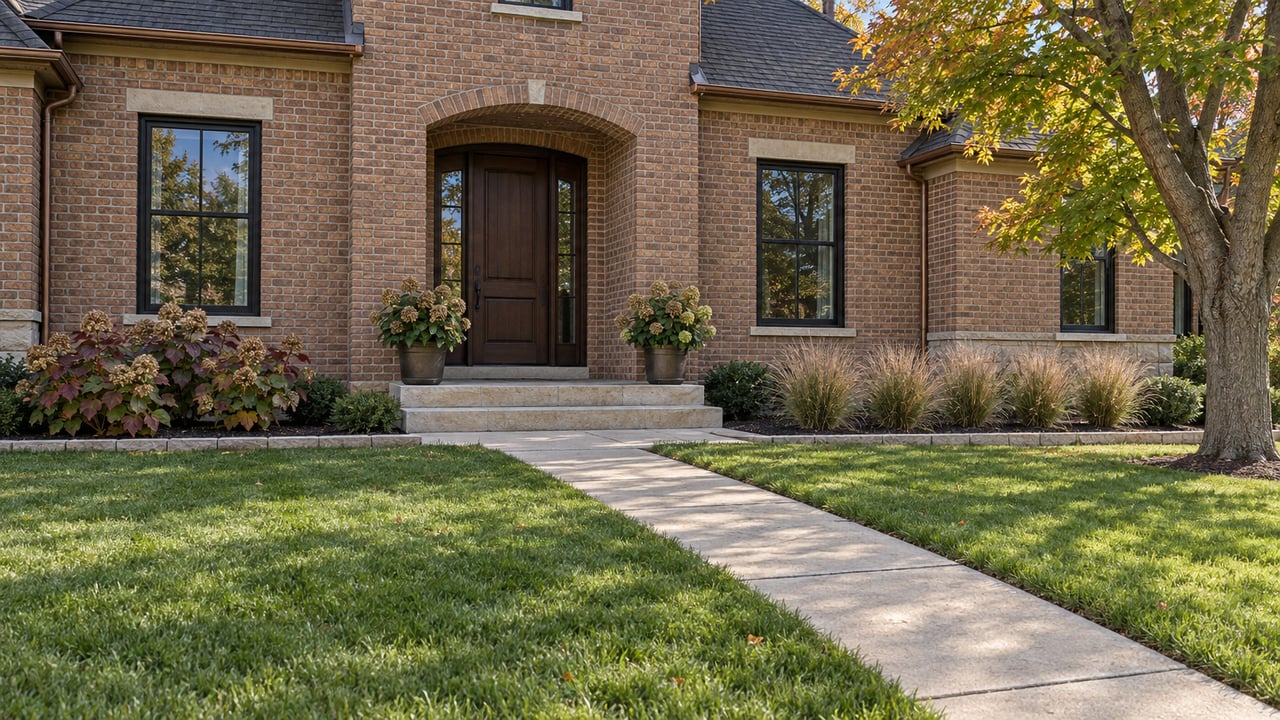
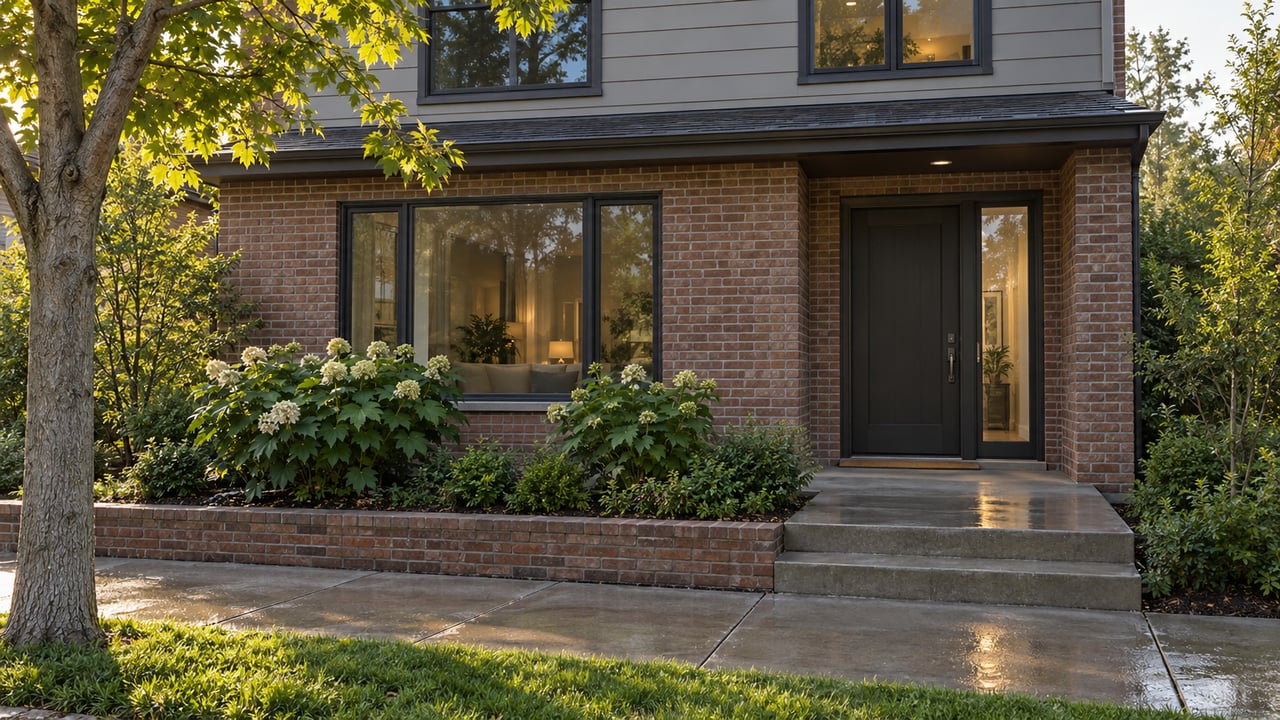
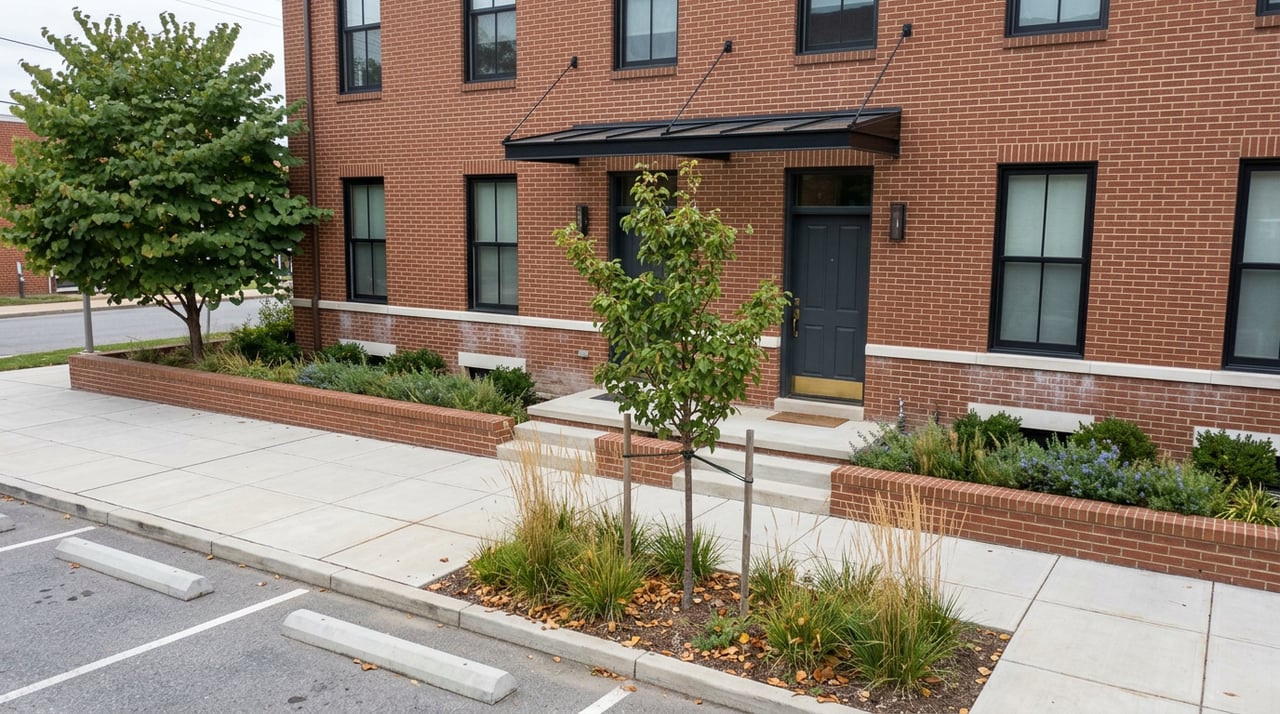
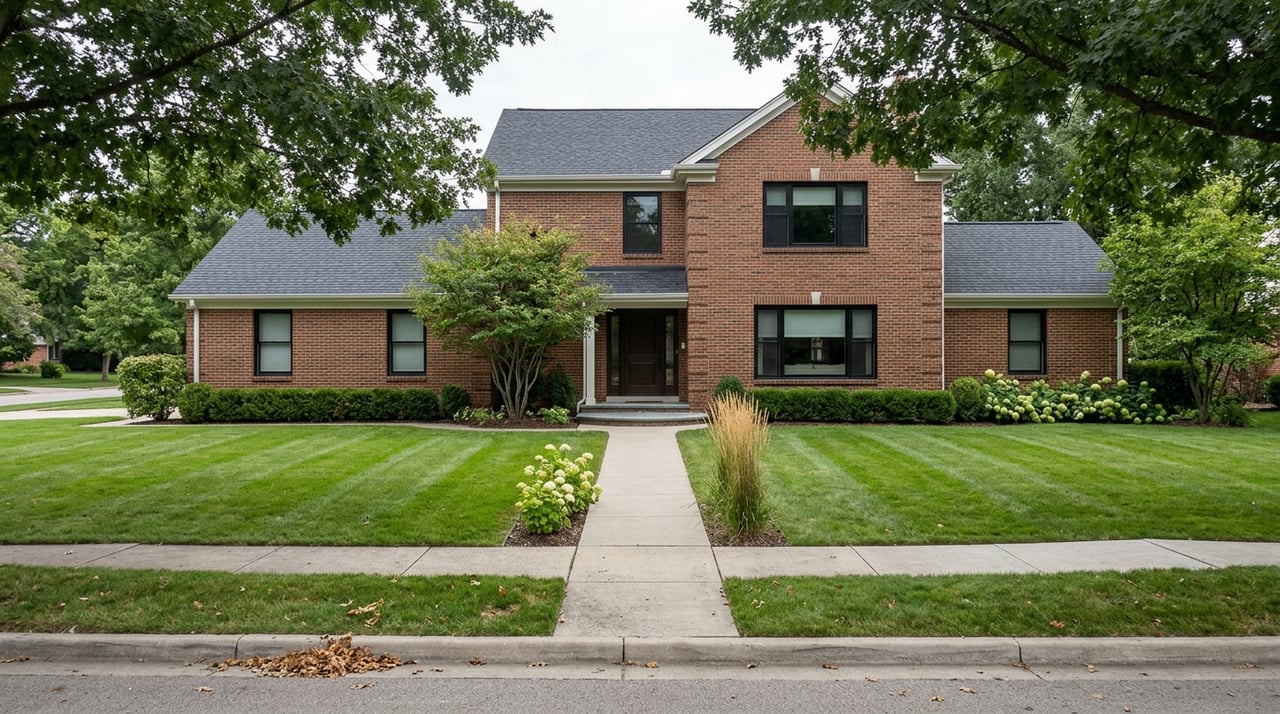
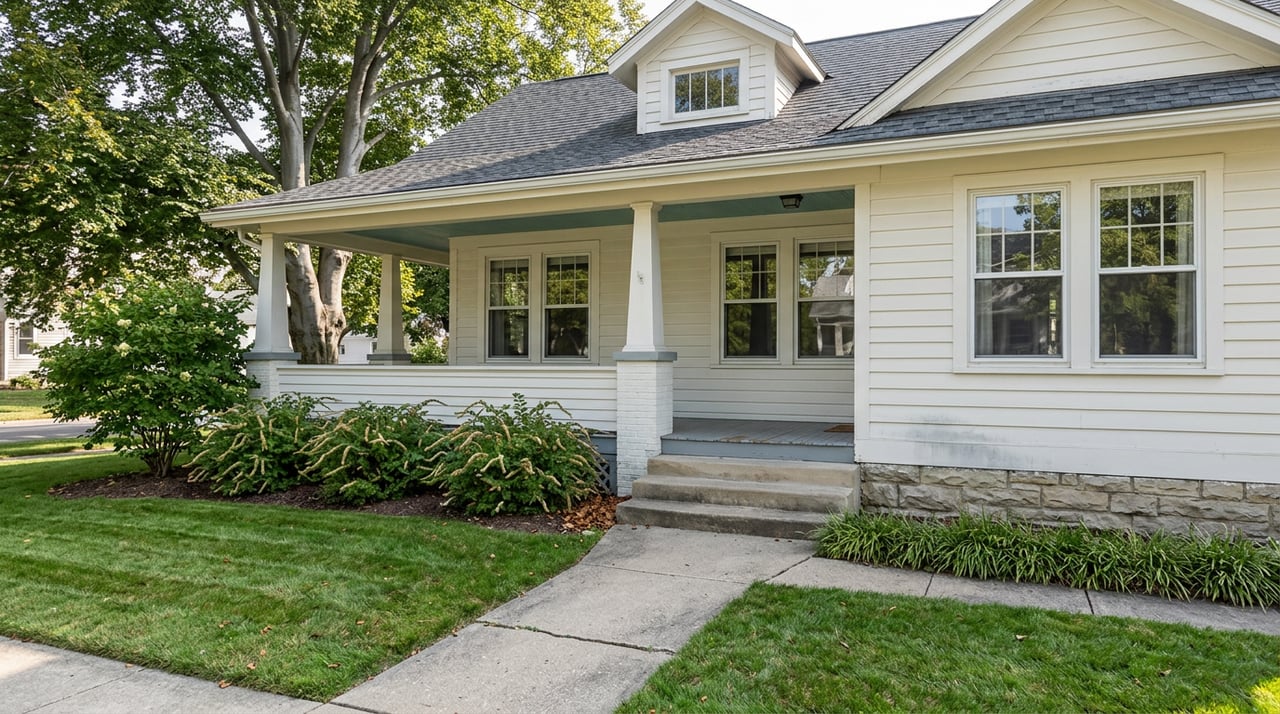
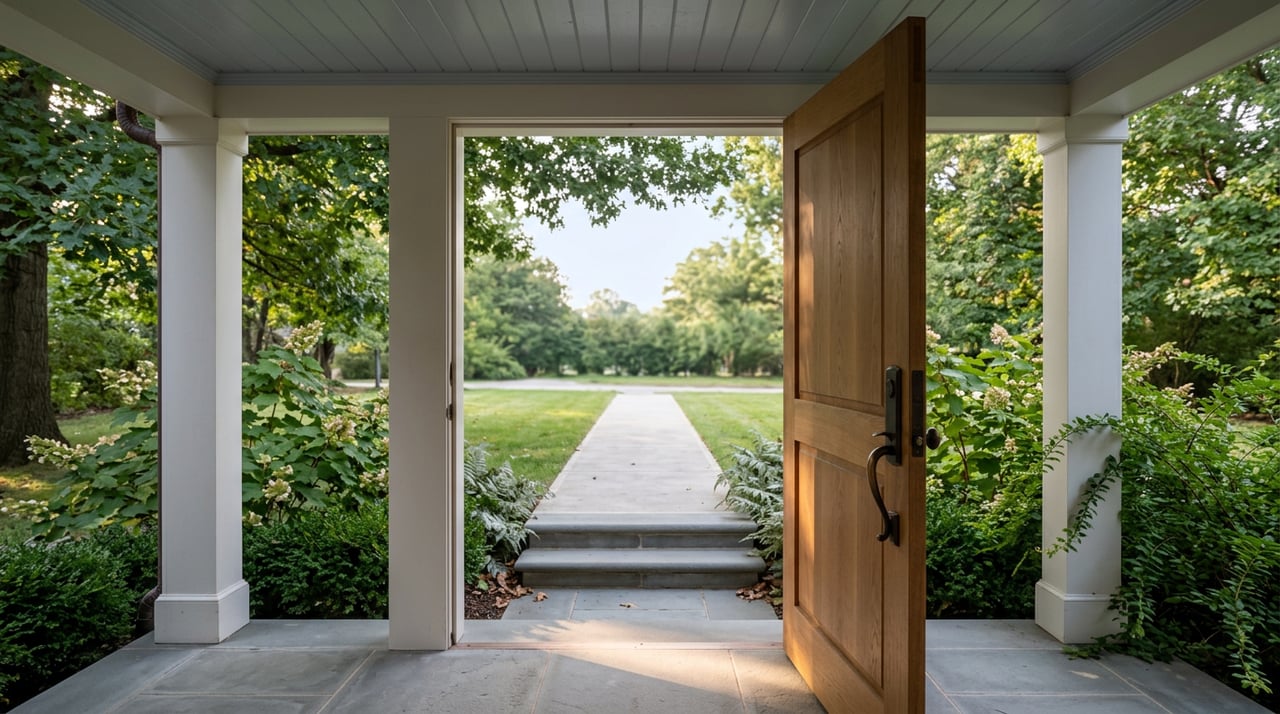
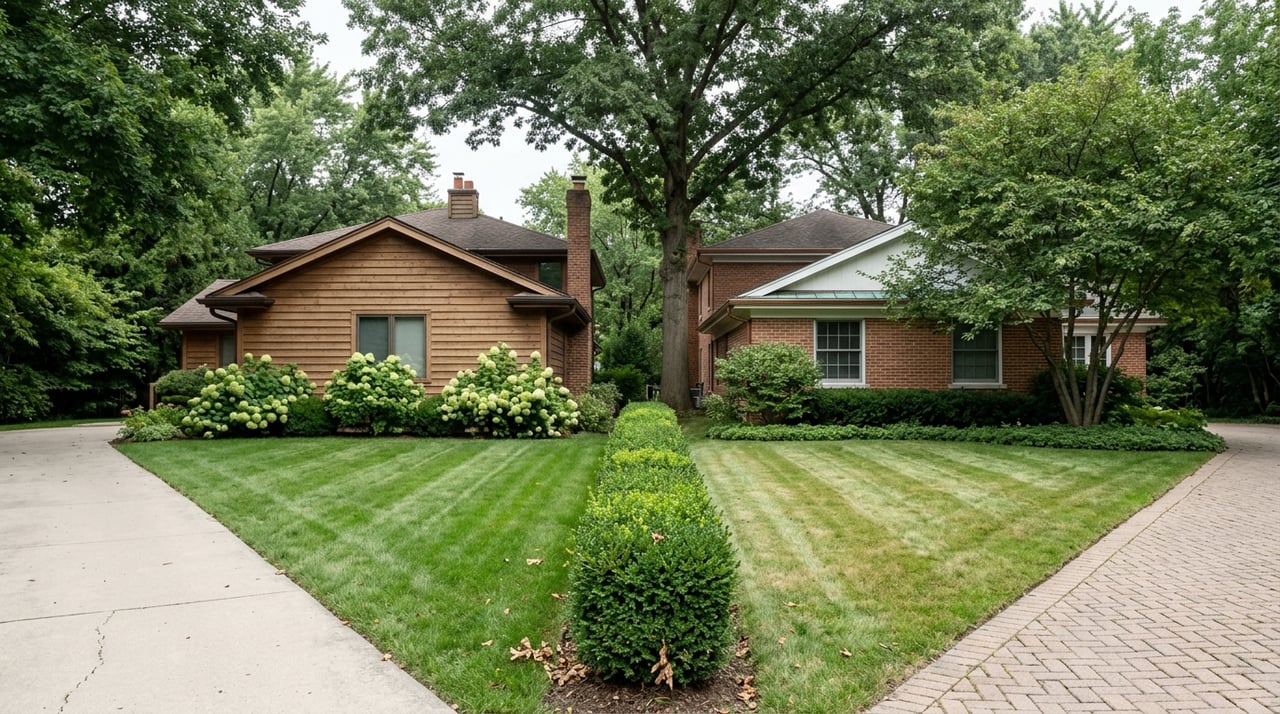
For many Westfield homes, outdoor areas deserve special attention. The city’s planning and development focus suggests that curb appeal, front elevation, patios, porches, and backyard living spaces can play an important role in how a listing feels online. A tidy exterior and well-presented outdoor area can help your home look more complete and more inviting from the first image.
The fastest way to improve how a home photographs is to remove visual clutter. Clear counters, reduce decor, open up floor space, and simplify entry areas so rooms look larger and easier to read. In photos and video, too many items can make even a well-sized room feel smaller and busier.
Try to keep surfaces as open as possible. Kitchen counters, bathroom vanities, coffee tables, nightstands, and mudroom benches should look intentional, not full. If you are unsure what to remove, a good rule is to leave only a few practical or decorative items in each space.
Depersonalizing also helps. Family photos, highly specific collections, and bold personal items can distract from the room itself. The goal is not to erase your home’s character. It is to help buyers focus on the space, light, and layout.
A full-home clean should happen before the photographer arrives, not after. Cameras pick up dust, streaks, smudges, and floor debris more than many sellers expect. What looks fine in person can stand out in high-resolution images.
Pay close attention to windows, mirrors, appliances, bathroom fixtures, baseboards, and flooring. Freshly cleaned carpet and sparkling tile can help a home feel better cared for, even in quick listing photos. A clean home also supports trust because buyers often connect visual cleanliness with overall maintenance.
Minor repairs can have an outsized effect on listing visuals. NAR highlights touch-up paint, repainting where needed, re-grouting tile, and handling obvious visible issues as useful prep steps before listing. These are often the details that make a home feel move-in ready rather than like a future project.
Walk through your home as if you were seeing it for the first time on screen. Look for scuffed walls, chipped trim, loose hardware, burned-out bulbs, stained grout, or worn caulk around sinks and tubs. None of these issues may be serious on their own, but together they can pull down the overall impression.
This is where practical guidance matters. A thoughtful pre-listing plan can help you decide which fixes are worth doing now and which ones are unlikely to change buyer response.
Good listing prep is often about helping your home read clearly in photos and tours. Open blinds and curtains to bring in natural light where possible. Replace dim bulbs so rooms feel bright and consistent, and avoid mixing too many bulb colors in the same space.
Furniture placement matters too. If a room feels crowded, remove one or two pieces rather than trying to decorate around them. Clean sight lines help buyers understand room size and flow, which is especially important in photos, walkthrough video, and virtual tours.
Outdoor areas should not feel like an afterthought. NAR identifies outdoor spaces as one of the highest-value areas to stage, and that matters in Westfield, where buyers often pay close attention to curb appeal and usable exterior space.
Before shoot day, mow the lawn, trim landscaping, sweep porches and patios, and remove extra planters, toys, or seasonal clutter. If you have patio furniture, keep it simple and arranged to show how the space can be used. Even small front-entry improvements can strengthen the first impression of the listing.
Today’s strongest listings rarely rely on one visual format alone. NAR’s guidance points to photos, video, virtual tours, and floorplans as core tools that help buyers understand a property online. Each format does a different job.
Photos create the first impression and stop the scroll. Video helps buyers understand flow and movement through the home. Virtual tours add another layer of convenience for people narrowing down which properties they want to see in person.
That is why your prep should support all three. A room that looks good in one still image may still feel crowded in a walkthrough video if cords, bins, or extra furniture remain in place. The best approach is to prepare for the full marketing package, not just the photo gallery.
Not always. Many sellers can improve presentation with lighter, lower-cost steps like decluttering, cleaning, touch-up paint, and better furniture placement. NAR reports that simple improvements are often used instead of full staging, which can be reassuring if you are trying to be strategic with your budget.
There is still a place for professional staging in some homes. NAR reports a median cost of about $1,500 for a staging service, compared with about $500 when staging is done by the listing agent or seller. The right choice depends on your home’s condition, price point, vacant or occupied status, and how much help you want.
For many Westfield sellers, the goal is not a magazine look. It is a polished, believable presentation that helps buyers trust what they see and feel ready to book a tour.
A smooth shoot day makes the final marketing stronger. Finish cleaning in advance, hide pet items, and make sure pets are removed during the appointment if possible. Check that all lights work, toilet lids are down, blinds are adjusted, and cars are moved from the driveway if exterior shots are planned.
Do one final walk-through before the photographer or videographer arrives. Look for trash cans, cords, mail, shoes, towels, and countertop items that may have crept back into view. Small details can make a surprising difference once the camera is on.
If drone footage is part of the plan, it should be handled by a qualified operator. FAA guidance says taking drone photos to help sell a property is a non-recreational use, which falls under Part 107 rules. In practical terms, that means aerial footage is best left to someone who understands the required operating rules and airspace limits.
Use this quick checklist before photos, video, and tours:
Strong marketing starts with strong preparation. In a competitive Westfield market, thoughtful listing prep can help your home feel more inviting online, easier to understand, and more compelling to tour in person. If you want experienced guidance on what to fix, what to skip, and how to present your home at its best, Morton Homes Realty can help you create a plan that fits your timeline and goals.
Stay up to date on the latest real estate trends.
Rooted in trust, expertise, and sincere dedication, we bring a lifelong appreciation of what “home” means to every client and every move.