Living in Zionsville Village: Shops, Parks, and Daily Life
May 28, 2026
May 28, 2026
What makes a downtown feel like part of daily life instead of just a place you visit once in a while? In Zionsville Village, the answer is simple: you can grab coffee, browse a bookstore, spend time in a park, and walk a trail without going far at all. If you are thinking about living in Zionsville or just want a clearer picture of what everyday life looks like here, this guide will walk you through the rhythm of the Village. Let’s dive in.
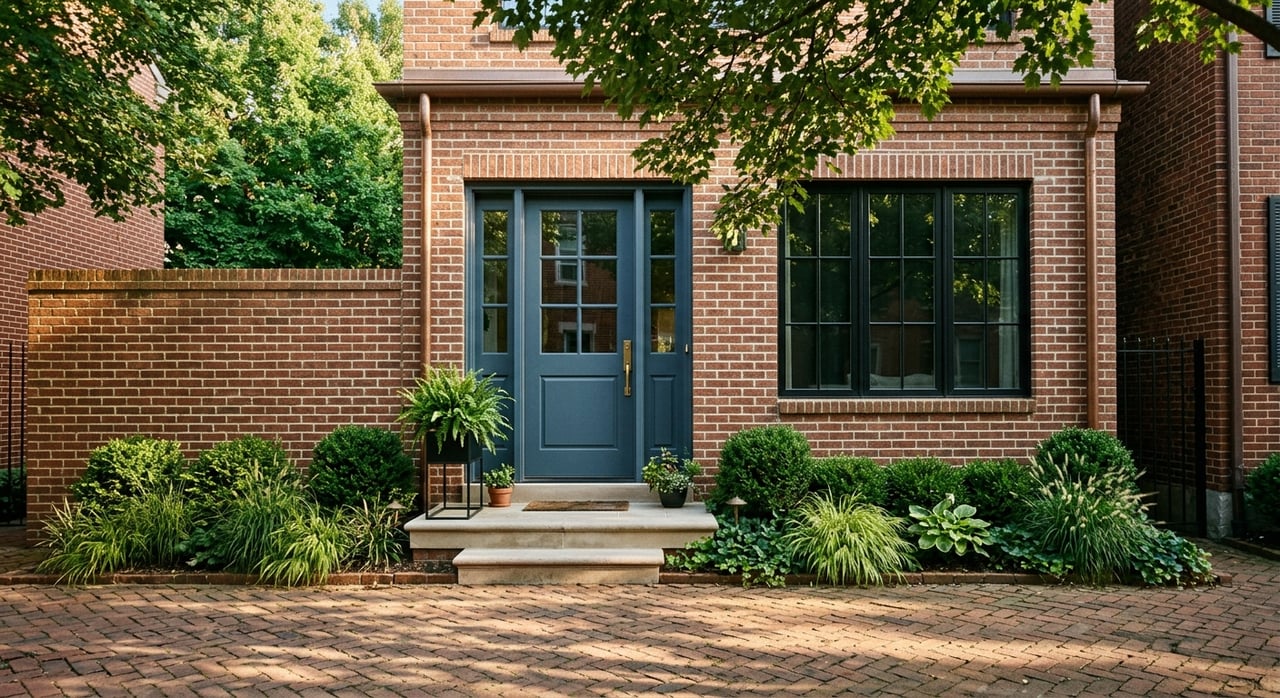
Zionsville describes its downtown as a small-town center built around the Brick Street, historic buildings, locally owned restaurants, boutiques, and galleries. That gives the Village a distinct feel that is different from a typical commercial corridor.
You are not looking at a chain-heavy area built only for quick errands. Instead, the Village is shaped by short trips, local businesses, and public spaces that sit close together. Zionsville is also about 20 minutes north of Indianapolis, so you get a quieter setting while staying close to a major metro area.
One of the biggest draws of the Village is how compact it feels. The town highlights places like Village Corner at Cedar and Main and Lincoln Park as key downtown gathering spaces, and current Main Street Momentum improvements are focused on making travel safer and more efficient for both drivers and pedestrians.
That matters because it supports a lifestyle where you can park once and enjoy several stops in a single outing. A coffee run can turn into shopping, a park stop, or a casual lunch without needing to cross town.
A typical morning in Zionsville Village can start with something simple: coffee, breakfast, and a walk along Main Street. The Chamber directory shows a strong mix of local spots, including Roasted in the Village and Gables Bagels, along with boutiques, home shops, galleries, and bookstores nearby.
Because the business mix is so concentrated, your morning can feel easy and flexible. You might browse Black Dog Books or Curious Squirrel Bookshop, stop into CV Art and Frame or Out of the Blue Art Studio, and still have time to pick up a few things before heading home.
The Village shopping experience is built around independent businesses rather than national chains. The Chamber directory lists stores such as Fivethirty Home, Vintage Charm, Green Apple Boutique, Rush on Main, and Cobblestone, all contributing to the downtown’s local identity.
For you, that often means shopping feels more personal and less rushed. It is the kind of place where browsing is part of the experience, whether you are looking for a gift, home décor, art, or something small that turns an ordinary day into a fun outing.
A big part of everyday life in Zionsville Village is how easily green space fits into the day. The town says Zionsville has more than 800 acres of parkland and more than 20 parks, with amenities that include trails, playgrounds, a splash park, sports fields, and more.
Near the Village core, a few parks stand out as especially convenient. These are not far-off destinations that require major planning. They are close enough to become part of a normal weekday or weekend routine.
Lions Park is a 28-acre park adjacent to the village center. According to the town, it includes baseball and softball diamonds, basketball and tennis courts, pickleball courts, sand volleyball, two playgrounds, picnic areas, trails, and restrooms.
That makes it easy to picture how residents use it. You can pair a Village lunch with playground time, meet friends for pickleball, or head there in the evening for a casual walk or family outing.
Elm Street Green offers a different pace. The town describes this 15.5-acre park as having a sun shelter, picnic shelter, adventure play space, StoryWalk, 0.8 miles of trails, benches, a fountain, garden plots for rent, and a kayak or canoe launch.
It also features prairie meadows designed to support butterflies, birds, and other wildlife. If you want a quieter outdoor break near downtown, Elm Street Green adds a calmer, nature-focused option to the Village routine.
Creekside Nature Park sits across Sycamore Street from Lions Park and adds another nearby outdoor option. The town says this 18-acre stream-side park includes 0.6 miles of accessible pathway and kayak or canoe access.
The Big-4 Rail Trail helps connect the broader system. Zionsville describes it as the 5-mile central spine of a network with more than 20 miles of interconnected paved pathways, making it easier to link downtown stops with parks and other parts of town.
If you want to understand a place, it helps to picture a Saturday. In Zionsville Village, that often means a slower start, time outdoors, and some kind of community activity woven into the day.
The Zionsville Farmers’ Market plays a big role in that rhythm. The market says it began in 1997, takes place on the historic main street, and in 2026 runs Saturdays from May 16 through September 26 from 8:00 to 11:30 a.m. at the corner of Pine and Main Street.
The market describes itself as a community gathering place with produce, baked goods, freshly prepared food, and live music. For residents, that creates a natural weekend routine where grocery shopping, meeting friends, and spending time downtown all happen in one place.
The Village does not feel the same in every season, and that is part of its appeal. Summer brings farmers market mornings and an active downtown atmosphere, while winter brings events like Winterfest and an Open-Air Maker’s Market on Brick Main Street.
The Chamber also describes the Brick Street Market as one of the largest artisan and craft fairs in the Midwest, with more than 140 vendors and a Brick Street Smoke-Off. Those kinds of events help the Village feel active and lived-in instead of static.
Daily life in the Village is shaped by more than shops and parks. Zionsville says the Cultural District sits at the heart of the village district and helps coordinate art, culture, history, and marketing for the community.
The town’s public art features include sidewalk poetry, murals, the Lincoln Mural near Lincoln Park, and the Walking Man sculpture at Town Hall. These details may seem small, but they add personality to a walk downtown and reinforce the Village as a place with a strong local identity.
For buyers, one important question is whether the Village feels like a real neighborhood or just a retail destination. Based on the town’s planning materials, the answer is that the Village is closely tied to surrounding historic homes and a downtown retail and residential mix.
That connection matters because it changes how the area functions. Instead of standing apart from daily life, the Village is woven into it, with homes, parks, trails, shops, and gathering spaces all supporting the sense of an established community.
When you explore a community, lifestyle often matters just as much as square footage. In Zionsville Village, the appeal is not only the Brick Street itself. It is the way local businesses, parks, trails, and events come together to support a more connected routine.
If you are comparing north Indianapolis suburbs, this is the kind of place where everyday convenience has a distinct character. You can enjoy local shopping, nearby outdoor space, and a town center that feels active without feeling overwhelming.
Put it all together, and a day in Zionsville Village is easy to picture. You might start with coffee and breakfast on Main Street, browse a few shops, walk through Village Corner or Lincoln Park, spend time at Lions Park or Elm Street Green, and wrap up with lunch, dessert, or an evening stroll.
That is what gives the Village its staying power. It is not just charming on first impression. It supports the kind of everyday life many buyers are looking for when they want both community character and practical convenience.
If you are exploring homes in Zionsville or trying to decide which north-suburban community fits your lifestyle, Morton Homes Realty can help you evaluate not just the house, but how the location supports the way you want to live.
Stay up to date on the latest real estate trends.
Rooted in trust, expertise, and sincere dedication, we bring a lifelong appreciation of what “home” means to every client and every move.