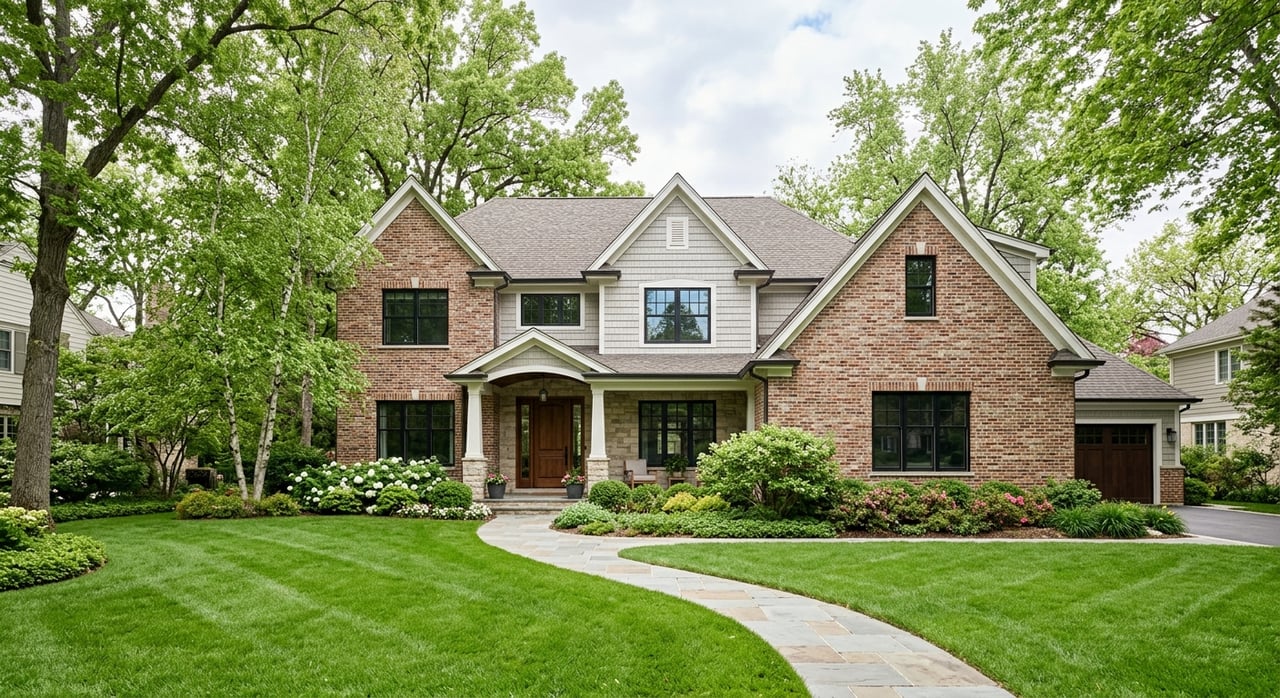
Smart Pricing Strategies for Zionsville Home Sellers
June 18, 2026
June 18, 2026
If you want to maximize your sale in Zionsville, your price tag matters more than your wish list. Even in a market that can feel active and competitive, buyers are still comparing every home carefully, and a pricing mistake can cost you time, leverage, and money. The good news is that with the right strategy, you can price your home to attract strong interest and protect your bottom line. Let’s dive in.
Zionsville is not a market where you can simply pick a high number and hope buyers catch up. Recent public data shows conditions that range from balanced to competitive, depending on the source and time frame.
Realtor.com’s April 2026 snapshot showed 173 homes for sale, a median listing price of $699,900, a median sold price of $603,125, and 35 median days on market. It also reported a 100% sale-to-list ratio in March 2026, which suggests many well-priced homes are selling very close to asking price.
Redfin’s recent view of the 46077 zip code looked even tighter. It reported a $749,777 median sale price, 20 days on market, a 99.4% sale-to-list ratio, 28.5% of homes selling above list, and 20.3% with price drops.
Put those numbers together, and the message is clear: pricing precision matters. Zionsville can reward a strong, well-supported launch, but it does not leave much room for a large pricing miss.
A smart pricing strategy begins with a focused comparative market analysis, often called a CMA. That means looking at recently sold homes, homes under contract, and active competition that buyers will see alongside yours.
In Zionsville, broad averages can be misleading. Boone County’s median sale price and Zionsville’s median sale price are not the same, and they do not reflect the same buyer pool.
For example, Redfin’s recent median sale price for 46077 was about $749,777, while Boone County’s countywide median sale price was $414,700. If you price your home using numbers that are too broad, you can end up chasing the wrong market entirely.
The strongest comp set usually looks more like this:
This is where local knowledge really matters. Two homes may have the same bedroom count, but if one backs to a busier road, has dated finishes, or faces newer competition nearby, buyers will not treat them as equals.
One of the hardest parts of selling is separating your home’s value from your personal history with it. You may remember what a neighbor sold for last year, what you spent on improvements, or what you hope to net from the sale. Those details matter to you, but buyers focus on what is available right now.
That is why your list price should reflect current conditions, not just past sales. Active listings shape buyer expectations in real time, and pending sales show where the market is accepting value today.
In a market where sale-to-list ratios are hovering around 99% to 100%, there is not much evidence that a large pricing cushion is helping sellers. In fact, the data points more strongly toward homes succeeding when they enter the market close to the right number from the start.
Many sellers wonder if they should list high to leave room for negotiation. It sounds safe in theory, but the numbers suggest it often backfires.
Zillow Research found that homes lingering on the market for about two months sold at roughly 5% below list. Homes that stayed on the market for around eleven months sold at about 12% below list.
That same research also found that homes priced nearly 10% above list did not sell faster than homes that sold at list price. In other words, overpricing did not create a speed advantage, and it often led to a bigger correction later.
That lines up with what current Zionsville data suggests. If buyers see your home as overpriced, they may skip it, wait for reductions, or use the extra time on market as leverage in negotiations.
Price is never judged in a vacuum. Buyers compare your home’s number to its condition, presentation, and perceived effort required after closing.
A pre-sale inspection is not required, but it can help uncover issues that may affect pricing. If your roof, HVAC, or appliances are near the end of their life, buyers may factor those replacement costs into their offers.
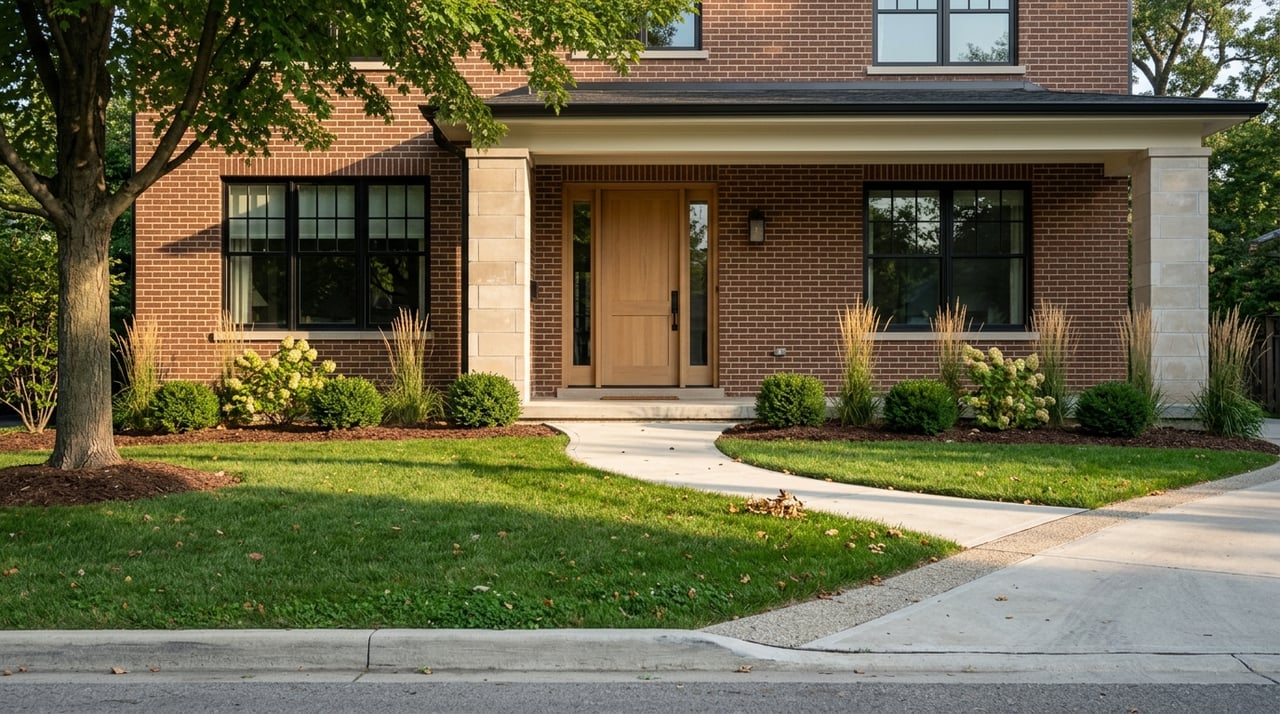
Cosmetic presentation also carries real weight. Decluttering, deep cleaning, fresh paint, lighting updates, basic landscaping, and strong curb appeal can help your home show better in person and in photos.
That matters because buyers are often making their first decision from the listing itself. If the home feels clean, cared for, and current, they are more likely to see the list price as justified.
Not every project deserves your time or money before listing. Some improvements help support your asking price, while others simply cost more than they return.
Recent NAR remodeling data found estimated cost recovery at:
That does not mean you should rush into a project just because it appears on a list. It does mean smaller, visible, practical improvements often make more sense than major remodels right before you sell.
In many cases, the best pricing support comes from fixing obvious problem areas and improving presentation. Painting, roof condition, and practical cosmetic refreshes often do more for marketability than a large renovation with limited recovery.
Even in a higher-end market, buyers respond to how a home is presented. Strong visuals and a polished first impression can help buyers understand the value more quickly.
NAR staging research found that buyers’ agents saw photos, physical staging, videos, and virtual tours as important. Many sellers’ agents also said staging or decluttering can help a home show better and support a stronger offer.
For Zionsville sellers, this means your pricing strategy should work hand in hand with your marketing plan. If you want premium attention, you need the presentation to match.
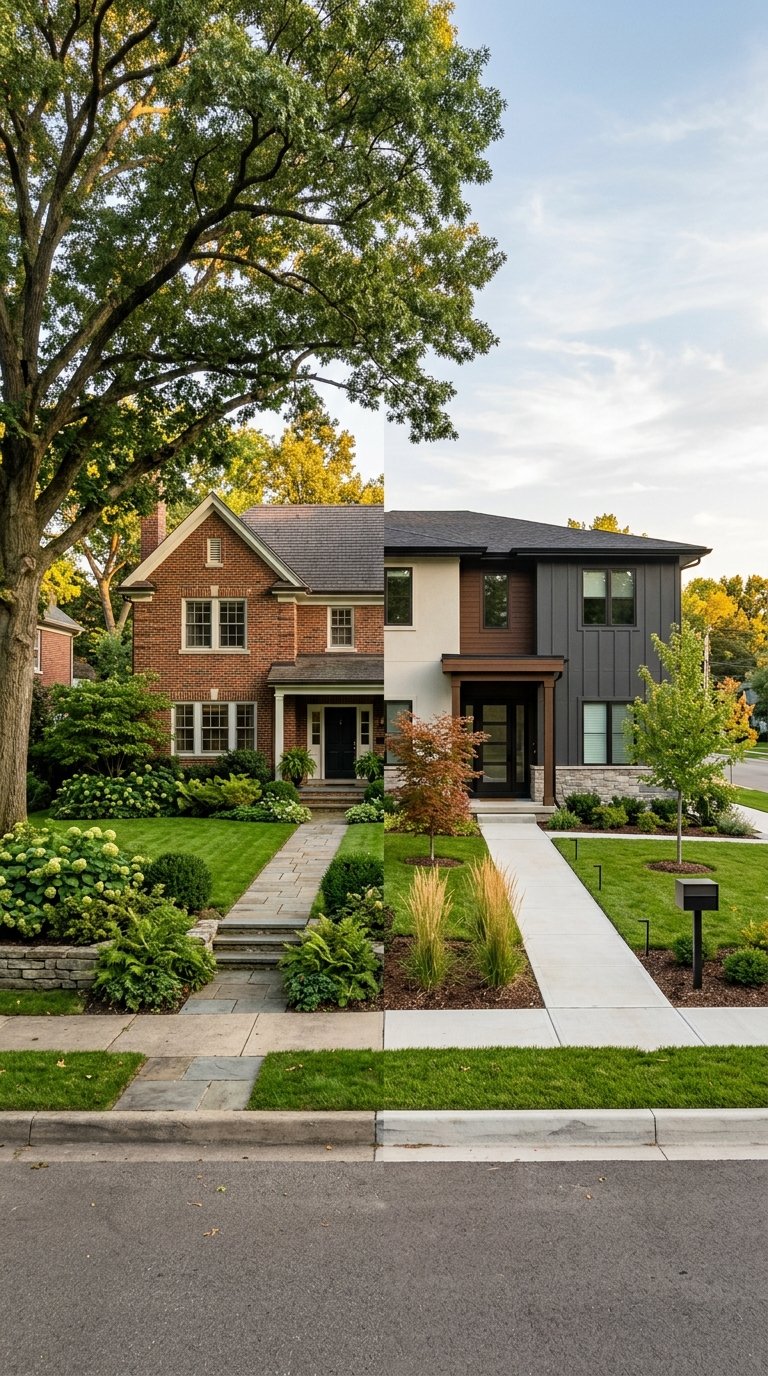
That is especially important when buyers are comparing your home with updated resales or nearby new construction. Professional photography, drone work, virtual tours, and thoughtful digital promotion can help reinforce the value behind your asking price.
The first days and weeks on the market can tell you a lot. If showings are slow, online interest is weak, or offers are not coming in, buyers may be signaling that your price does not match the market.
This does not always mean your home has a major problem. It may simply mean the list price is a little ahead of current buyer expectations or stronger competing homes are setting the pace.
Recent 46077 sales show how outcomes can vary. One home sold 5% under list after 51 days, another sold 5% over list after 36 days, and another took 71 days to close at 4% under list.
That spread suggests buyers will still pay up when a home is well-positioned and meets current expectations. But they will also discount homes that need work or sit too long.
Because the seller has the final say on asking price, it helps to interview more than one local professional and ask how each recommendation is supported. A strong pricing conversation should feel specific, not generic.
Here are smart questions to ask:
The goal is not just to hear the highest number. The goal is to understand which price is most defensible in the current Zionsville market.
For many sellers, the best strategy is not aggressive underpricing or optimistic overpricing. It is a well-supported price that reflects local comps, current competition, condition, and presentation.
That kind of approach helps you attract serious buyers early, reduce the risk of sitting on the market, and protect your negotiating position. In a market like Zionsville, that balance can make a meaningful difference in both timing and final outcome.
If you are getting ready to sell in Zionsville, the right pricing strategy should do more than put a number on your home. It should help you understand your competition, make smart prep decisions, and launch with confidence. For thoughtful guidance backed by local market knowledge, construction insight, and polished listing presentation, connect with Morton Homes Realty.
Stay up to date on the latest real estate trends.
Rooted in trust, expertise, and sincere dedication, we bring a lifelong appreciation of what “home” means to every client and every move.