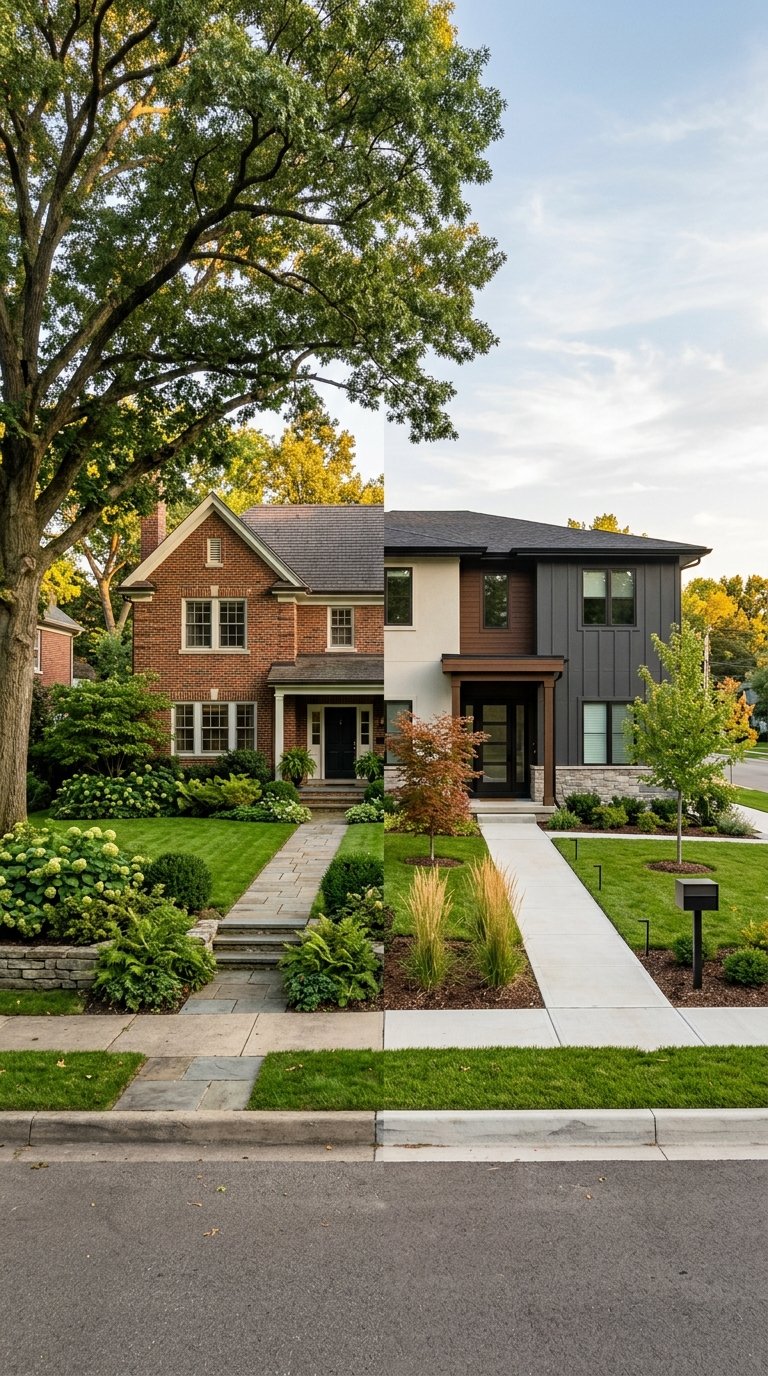
Carmel’s Established Streets vs. Planned Communities
July 2, 2026
July 2, 2026
Choosing between Carmel’s older streets and its planned communities is not as simple as picking charm or convenience. If you are trying to decide where your next home should be, you are really weighing daily lifestyle, property style, rules, amenities, and long-term fit. The good news is that Carmel offers strong options on both sides of that spectrum, and understanding the differences can help you buy with more confidence. Let’s dive in.
Carmel’s own planning materials describe the city as a mix of traditional suburban neighborhoods, central redevelopment areas, higher-density corridors, and planned mixed-use districts. That matters because the city is not built around one single neighborhood model. Instead, you can find everything from older residential blocks with a more established feel to newer communities designed around shared amenities and organized living.
Connection also plays a big role in how a neighborhood feels day to day. Carmel highlights more than 150 roundabouts and nearly 200 miles of trails, so location is about more than the home itself. It is also about how easily you move through the city for errands, recreation, and everyday routines.
In Carmel, established streets often appeal to buyers who want a neighborhood that feels shaped over time rather than built all at once. These areas may offer more variation from one home to the next, more mature street patterns, and lot layouts that do not always follow modern subdivision standards. For some buyers, that creates a sense of character that is hard to replicate.
The clearest official example is the Old Town Overlay district. Carmel’s code says this district is divided into character, Historic Range Line Road, and Main Street sub-areas, with a purpose of preserving neighborhood character. That tells you right away that older-area appeal in Carmel is not accidental. It is something the city actively recognizes and manages.
In the Old Town character areas, the city says typical buildings sit on smaller lots and are generally smaller than homes in later subdivisions. These streets also tend to have narrow frontages, rear detached garages, and consistent setbacks. The city allows lot dimensions as originally platted, which helps preserve the older development pattern.
Historic Range Line Road has a somewhat different feel. The city describes it as generally larger and more architecturally distinctive. If you are drawn to established homes but want a setting with a different scale, this distinction can be important.
Older neighborhoods can sometimes raise questions about infrastructure, but Carmel’s public investment tells a more complete story. In Old Town, the city reports upgrades that included storm sewers, curbs, brick-accent sidewalks, historic-style street lighting, improved streets, and water mains before redevelopment moved forward. For a buyer, that means an older setting may still benefit from meaningful city-led improvements.
Home Place is another example of a more established area with a distinct identity. The city is studying it through a sub-area plan meant to reinforce its unique character. That suggests some of Carmel’s older areas are being evaluated thoughtfully, not treated as leftovers from an earlier era.
Planned communities in Carmel often attract buyers who want a more structured neighborhood experience. These communities may offer shared amenities, more consistent streetscapes, and formal systems for access or governance. If you like the idea of built-in recreation and organized common spaces, this style can be very appealing.
In many cases, planned communities are designed so that the neighborhood itself supports a large part of your daily routine. Instead of relying mainly on citywide amenities, you may have walking paths, clubhouses, workout facilities, or green space within the community. That can change how you live in the home and how you use the neighborhood.
The Village of WestClay is one of Carmel’s best-known planned-community examples. The association says it was established in 2000 as a Traditional Neighborhood Development and as an example of New Urbanism. It includes mixed housing styles, a variety of lot sizes, parks, green spaces, and paths.
The association also describes WestClay as a self-contained community with businesses and homes of many kinds and sizes. Its amenity information points to more than 171 acres of open space, workout facilities, tennis and basketball courts, pools, meeting spaces, and resident-reservable clubhouses. That kind of setup can be a strong fit if you want recreation and gathering space woven into your immediate surroundings.
WestClay also shows how planned neighborhoods often operate with more formal organization. The owners association uses scan-card access for clubhouses and exercise rooms, and residents can reserve some community spaces for private events. For some buyers, that level of structure feels convenient and predictable. For others, it can feel more regulated.
The Bridgewater Club reflects another kind of planned lifestyle in Carmel. The club describes the community as a 725-acre golf-cart community built around 27 holes of golf, a 5-mile walking trail, and 18 lakes and ponds. This points to a neighborhood experience centered heavily on club and recreation features.
Its membership materials list a 70,000-square-foot clubhouse, adult and family dining, indoor and outdoor pools, a 15,000-square-foot fitness center, six tennis courts, six pickleball courts, massage and steam rooms, and childcare. If your ideal neighborhood includes a strong amenity package and club-based living, that is a very different daily experience from a traditional older street.
The decision between established streets and planned communities usually comes down to how you want to live, not which option is universally better. Carmel’s neighborhood landscape supports both models well. The right fit depends on your priorities.
Based on the source material, established streets in Carmel often offer more architectural variation, older lot patterns, and a stronger sense of organic neighborhood evolution. Planned communities, by contrast, may trade some individuality for consistency, shared amenities, and formal governance. That is not a rule for every neighborhood, but it is a helpful framework for comparison.
If you are drawn to established streets, you may value homes that do not all look the same and blocks that developed over time. You may also appreciate mature street patterns and the flexibility that can come with older lot layouts. At the same time, older areas may come with overlay rules that affect additions, setbacks, or redevelopment.
If you lean toward planned communities, you may prefer a more cohesive look and a clearer package of neighborhood features. You may also like having shared spaces and predictable upkeep standards. In exchange, you may have recurring dues, access systems, or club structures that shape how the community operates.
This is one of the biggest practical differences. In older Old Town areas, the main controls are more likely to come from overlay rules tied to preservation, setbacks, and redevelopment patterns. In communities like WestClay or Bridgewater, neighborhood life may be more influenced by association systems, amenity access, or club membership structures.
Neither approach is automatically easier. It just means you should understand what kind of oversight comes with the property before you buy. For design-minded buyers especially, that can make a major difference in future plans.
A smart Carmel home search goes beyond square footage and finishes. You want to know how the neighborhood supports your routine, your budget, and your plans for the property. These questions can help you compare options clearly.
If you love variety, older street patterns, and homes with a more established setting, Carmel’s older areas may feel more natural to you. If you want an amenity-rich lifestyle with formal organization and neighborhood features close at hand, a planned community may make more sense. The best choice usually becomes clearer when you think about your everyday routine, not just the listing photos.
This is also where local guidance matters. A neighborhood can look appealing online but feel very different once you understand lot patterns, access, rules, or how the area connects to the rest of Carmel. Having someone who knows the city well can help you compare not just homes, but the lifestyle each setting supports.
Whether you are drawn to a mature street with long-standing character or a community built around amenities and structure, the goal is the same: finding a home that fits how you want to live now and where you want value over time. If you want help comparing Carmel neighborhoods with a practical local perspective, connect with Morton Homes Realty.
Stay up to date on the latest real estate trends.
Rooted in trust, expertise, and sincere dedication, we bring a lifelong appreciation of what “home” means to every client and every move.